how to prevent ingrown hairs - skincare and Scripture by Capital femme

4 Ways to treat and get rid of Ingrown Hairs

Editor’s Note: This post was written before our faith-centered refocus, but we still stand by the message. Capital Femme is now a space where skincare meets Scripture 💛

Ingrown hairs can be itchy and plain annoying. In case your wondering what that is. An ingrown hair is hair that grows beneath the skin instead of the surface of the skin.

If you have thick, curly or coarser hair then you’re more likely to get them after removing body hair. This can include hair from your armpits, bikini area, arms and legs. Here are 4 ways you can treat those unwanted ingrown hairs:

1. Apply warm compresses.

This will help lift the hair to the surface of your skin.

2. Exfoliate the area.

Sometimes there is a build-up of dead skin cells on the skin’s surface causing the hair to grow beneath the skin. You should be exfoliating your skin regularly according to your skin type. Also, continuously wearing tight clothing can cause friction and result in ingrowns.

3. Gently pull out the hair.

You can use tweezers to pull out the visible hair. Please don’t dig into your skin.

4. Stop hair removal until ingrown hair is removed.

Continuing hair removal over an ingrown hair can make it worse and take even longer to go away so be a little patient. If it gets uncomfortable/irritated (red, swollen) then it might be infected. You can use an antibiotic ointment to help clear the infection or hydrocortisone cream for any itchiness in the area.

I hope these tips helped you in some way. Remember that ingrown hairs can also be prevented based on your hair removal technique and with consistent aftercare.


3 Easy remedies for sunburn

Editor’s Note: This post was written before our faith-centered refocus, but we still stand by the message. Capital Femme is now a space where skincare meets Scripture 💛

A sunburn is the result of too much exposure to Ultra Violet (UV) radiation from the sun or other UV light sources. It’s important to note that you can see sunlight and feel heat (infrared) radiation, but you cannot see or feel UV radiation causing damage to your skin.

Signs of sunburn

The symptoms of sunburn may not appear until a few hours after exposure to UV radiation. The signs of sunburn include:

  • Pain
  • Redness
  • Swelling
  • Fever
  • Chills
  • Blisters
  • Dry, itching or peeling of skin (usually days after the burn occurred)
  • Headache
  • Fatigue or weakness
  • Dehydration

Remedies

1. Take frequent cool showers or baths to help alleviate pain. You can also apply wet or cool compresses to the skin. You may also want to consider taking an ibuprofen or acetaminophen.

2. Apply aloe vera or a moisturizer containing aloe or soy. This can help soothe sunburn. You may also consider getting hydrocortisone cream for itchiness and discomfort.

3. Try to avoid the sun. Stay indoors or in the shade to avoid exposure to the sun while you heal. The sun is most intense from 10 AM to around 4 PM. Any additional exposure to the sun can make sunburn worse.

Prevention in the future

Wear broad-spectrum sunscreen (SPF 30).

Wearing sunglasses with UV protection.

Wear sun protective clothing like long sleeves and hats.

Avoid tanning beds and other sources of UV radiation.

Glass skin. Get With it or Nah?

Editor’s Note: This post was written before our faith-centered refocus, but we still stand by the message. Capital Femme is now a space where skincare meets Scripture 💛

So some of you may be wondering what glass skin is if you don’t already know.

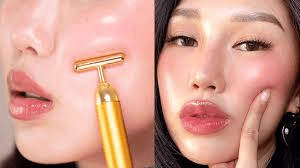
Basically glass skin is a beauty trend that started in South Korea and it means skin that is so clear, glowing, dewy, smooth, and poreless that it’s reflective and as flawless as glass.

This trend started about 2017 and can be seen sported by K-Pop stars.

skin care korean beauty, glass skin

Now the key to acheiving glass skin starts with a diligent skincare routine. Your goal is to maintain your skin’s moisture barrier. Hydration is your bestfriend.

Here’s a skin care routine to help get you closer to glass skin:

  1. Double cleanse. Start with a non- drying oil or water based cleanser. Then, use a gentle foaming facial cleanser.
  2. Exfoliate. This would be chemical exfoliation. It’s important not to do this everyday to avoid irritation.
  3. Then layer on the hydration. This includes toners, essence and serums.
  4. Moisturize. Your last step should be applying moisturizer and SPF to protect your skin during the day.

Glass skin is all the rave these days. Have you been able to achieve this look with your skincare?

Comparing 2 affordable oily skin moisturizers by Capital Femme

Comparing affordable face moisturizers for Oily Skin

Last Updated: January 14, 2026

Editor’s Note: This post was written before our faith-centered refocus, but we still stand by the message. Capital Femme is now a space where skincare meets Scripture 💛

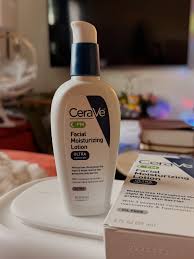
First up we have this moisturizer by Cera Ve

Cera Ve oily skin face moisturizer reviewed by Capital Femme

Cera Ve PM moisturizer

Rating: 4/5

This moisturizer doesn’t have any added fragrance but it does have a slight scent. It helps oily skin, is moisturizing and won’t clog your pores. It’s light on the skin; contains hyaluronic acid and niacinamide. However, this product is not considered clean, cruelty-free or sustainable.

VERSUS

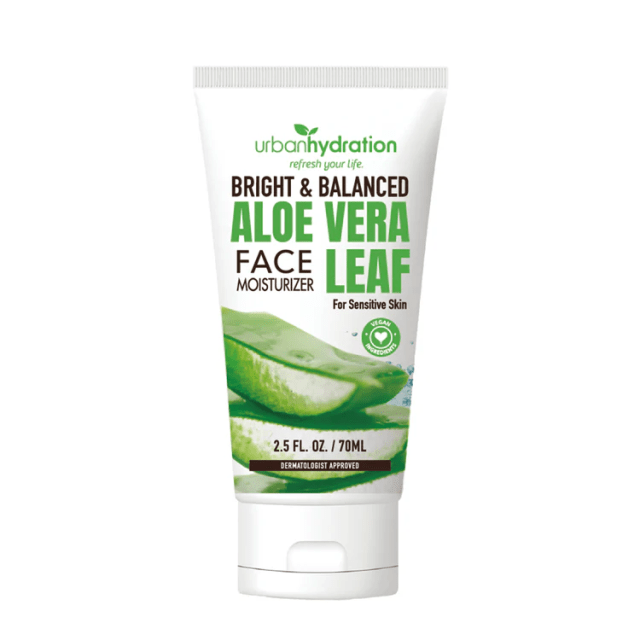
Oily skin aloe vera face moisturizer by Urban Hydration reviewed by Capital Femme

Urban Hydration Aloe Vera Leaf Daily Gel Moisturizer

Rating: 5/5

This moisturizer makes your skin feel cool and hydrated as soon as it’s applied. A little takes you a far way. This gel moisturizer is non- comedogenic. It really does control shine and overtime brightens your complexion. It is also clean, all natural and cruelty-free. Check out the full review here.

It’s to note that both moisturizers can be used on other skin types.


As an Amazon Associate, this site may earn from qualifying purchases. Thank you for your support.

What you should know about acids in skin care

Editor’s Note: This post was written before our faith-centered refocus, but we still stand by the message. Capital Femme is now a space where skincare meets Scripture 💛

alpha hydroxy acids, beta hydroxy acids, poly hydroxy acids. Are acids dangerous. Acids are safe to use?
AHAs, BHAs, PHAs
Hyaluronic acid
Azelaic acid

What are acids?

Acids in skincare are mild and mainly used in cleansing and exfoliating your skin.

There are two types of acids most commonly used in skincare, Alpha Hydroxy Acids (AHAs) and Beta Hydroxy Acids (BHAs). There are also PHAs (Ploy Hydroxy Acids) which are good for persons with sensitive skin. Acids are used in chemical exfoliation. The strength of the acid determines the level of chemical exfoliation or peel which is categorized as superficial, medium or deep.

Most acids in skincare are derived from natural sources for example, glycolic acid comes from sugarcane, lactic acid from milk and salicylic acid from willow trees.

Alpha Hydroxy Acids (AHAs)

Alpha Hydroxy Acids are water-soluble and mostly work on the skin’s surface making them a good option for fine lines, texture and dullness. Their benefits are mostly to brighten skin, even out your skin tone and texture, and they may even stimulate collagen production which gives a more youthful appearance.

Some popular AHAs include:

  • Glycolic acid
  • Lactic acid
  • Citric acid

Beta Hydroxy Acids (BHAs)

On the other hand, BHAs tend to penetrate deeper. They are good for unclogging pores, treating and preventing acne. They also help to reduce inflammation.

A common BHA is:

  • Salicylic Acid

Poly Hydroxy Acids (PHAs)

PHAs are less irritating and are considered the milder version of AHAs. They have the same benefits as AHAs but are larger molecules so they do not penetrate as deep.

Some popular PHAs are:

  • Gluconolactone
  • Galactose

Other acids commonly used in skincare

Hyaluronic acid: It’s a natural substance found in the eyes and joints. It is a humectant, a water binding molecule. It holds 1000 times its weight in water making it great for hydration. It is commonly found in moisturizers and serums.

Azelaic acid: This is great and commonly found in products for sensitive skin. It is also used to treat skin issues like melasma and rosacea. It is naturally occurring and found in grains such as barley, wheat and rye.

Are acids safe to use?

The answer is yes. Acids can be found in products like cleansers, moisturizers, toners, serums and as mentioned before as stand alone products (exfoliators). The danger lies in the strength of the acid you are using and how often you are using said acid.

It’s important to note that prolonged use of acids can make your skin more sensitive to the sun, so ensure to always include SPF in your daytime skincare routine. Overuse on the other hand can damage your skin. Telltale signs include dry skin and redness.

Now do let me know what acids you have tried and how they’ve worked for you. I hope this was helpful in choosing your skincare products.

5 Flawless Summer Beauty Tips

Editor’s Note: This post was written before our faith-centered refocus, but we still stand by the message. Capital Femme is now a space where skincare meets Scripture 💛

It’s officially summer and with the change in season may also warrant a change in your skincare routine. Here are a few tips I’ve put to together to help you look and feel your best throughout this season:

1. SPF all day, everyday.

The sun’s rays can affect you when it’s cloudy, if you’re sitting by a window, driving in your car or while sitting underneath the shade. You should be wearing a sunscreen with a minimum SPF 30 with a broad spectrum formula to protect against both UVA and UVB rays.

Opt for products that contain SPF, that includes makeup products and moisturizers. You might also want to go for lighter makeup during this season or use products that are non-comedogenic.

2. Add a pair of popping shades.

Not only will this add style to your outfit but can be helpful in protecting your eyes from the sun’s glares and may improve your vision.

3. Hydrate hydrate hydrate.

This cannot be over-stated. This has numerous benefits for your health and one of them is helping to cope with the heat. Water keeps your body and skin hydrated. You should be drinking water throughout the day. Opt for skincare products that are moisturizing and prevent dryness.

4. Use a Vitamin C serum.

This is important as it helps reduce hyperpigmentation that can be made worse by exposure to the sun. It also will help reduce the appearance of fine lines.

5. Exfoliate your skin.

Depending on your skin type you can use physical or chemical exfoliation. Physical is using some tool like a brush on your skin when cleansing while chemical exfoliation can include using acids like Salicylic acid. Read more on exfoliation here.

I hope applying these tips to your life will be beneficial for you. Let me know what you have tried and what works for you.