What you Should Know About Acids in Skincare

Editor’s Note: This post was written before our faith-centered refocus, but we still stand by the message. Capital Femme is now a space where skincare meets Scripture 💛
alpha hydroxy acids, beta hydroxy acids, poly hydroxy acids. Are acids dangerous. Acids are safe to use?
AHAs, BHAs, PHAs
Hyaluronic acid
Azelaic acid

What are acids?

Acids in skincare are mild and mainly used in cleansing and exfoliating your skin.

There are two types of acids most commonly used in skincare, Alpha Hydroxy Acids (AHAs) and Beta Hydroxy Acids (BHAs). There are also PHAs (Ploy Hydroxy Acids) which are good for persons with sensitive skin. Acids are used in chemical exfoliation. The strength of the acid determines the level of chemical exfoliation or peel which is categorized as superficial, medium or deep.

Most acids in skincare are derived from natural sources for example, glycolic acid comes from sugarcane, lactic acid from milk and salicylic acid from willow trees.

Alpha Hydroxy Acids (AHAs)

Alpha Hydroxy Acids are water-soluble and mostly work on the skin’s surface making them a good option for fine lines, texture and dullness. Their benefits are mostly to brighten skin, even out your skin tone and texture, and they may even stimulate collagen production which gives a more youthful appearance.

Some popular AHAs include:

  • Glycolic acid
  • Lactic acid
  • Citric acid

Beta Hydroxy Acids (BHAs)

On the other hand, BHAs tend to penetrate deeper. They are good for unclogging pores, treating and preventing acne. They also help to reduce inflammation.

A common BHA is:

  • Salicylic Acid

Poly Hydroxy Acids (PHAs)

PHAs are less irritating and are considered the milder version of AHAs. They have the same benefits as AHAs but are larger molecules so they do not penetrate as deep.

Some popular PHAs are:

  • Gluconolactone
  • Galactose

Other acids commonly used in skincare

Hyaluronic acid: It’s a natural substance found in the eyes and joints. It is a humectant, a water binding molecule. It holds 1000 times its weight in water making it great for hydration. It is commonly found in moisturizers and serums.

Azelaic acid: This is great and commonly found in products for sensitive skin. It is also used to treat skin issues like melasma and rosacea. It is naturally occurring and found in grains such as barley, wheat and rye.

Are acids safe to use?

The answer is yes. Acids can be found in products like cleansers, moisturizers, toners, serums and as mentioned before as stand alone products (exfoliators). The danger lies in the strength of the acid you are using and how often you are using said acid.

It’s important to note that prolonged use of acids can make your skin more sensitive to the sun, so ensure to always include SPF in your daytime skincare routine. Overuse on the other hand can damage your skin. Telltale signs include dry skin and redness.

Now do let me know what acids you have tried and how they’ve worked for you. I hope this was helpful in choosing your skincare products.


5 Flawless Summer Beauty Tips

Editor’s Note: This post was written before our faith-centered refocus, but we still stand by the message. Capital Femme is now a space where skincare meets Scripture 💛

It’s officially summer and with the change in season may also warrant a change in your skincare routine. Here are a few tips I’ve put to together to help you look and feel your best throughout this season:

1. SPF all day, everyday.

The sun’s rays can affect you when it’s cloudy, if you’re sitting by a window, driving in your car or while sitting underneath the shade. You should be wearing a sunscreen with a minimum SPF 30 with a broad spectrum formula to protect against both UVA and UVB rays.

Opt for products that contain SPF, that includes makeup products and moisturizers. You might also want to go for lighter makeup during this season or use products that are non-comedogenic.

2. Add a pair of popping shades.

Not only will this add style to your outfit but can be helpful in protecting your eyes from the sun’s glares and may improve your vision.

3. Hydrate hydrate hydrate.

This cannot be over-stated. This has numerous benefits for your health and one of them is helping to cope with the heat. Water keeps your body and skin hydrated. You should be drinking water throughout the day. Opt for skincare products that are moisturizing and prevent dryness.

4. Use a Vitamin C serum.

This is important as it helps reduce hyperpigmentation that can be made worse by exposure to the sun. It also will help reduce the appearance of fine lines.

5. Exfoliate your skin.

Depending on your skin type you can use physical or chemical exfoliation. Physical is using some tool like a brush on your skin when cleansing while chemical exfoliation can include using acids like Salicylic acid. Read more on exfoliation here.

I hope applying these tips to your life will be beneficial for you. Let me know what you have tried and what works for you.

Gua Sha. Get With it or Nah? (review)

Last updated: March 12, 2026

Editor’s Note: This post was written before our faith-centered refocus, but we still stand by the message. Capital Femme is now a space where skincare meets Scripture 💛.

What is it?

Gua Sha is a traditional Chinese medicine technique that involves scraping the skin using a flat stone tool. It is used to treat chronic pain, help blood flow, promote healing and create a lifting effect on the skin. It may also reduce inflammation. It is used on different parts of the body like the legs, back, buttocks, arms and legs. A gentle version is often used as a facial technique.

Gua sha has become more frequently used in the West. It has become a household item used mostly as a facial massage tool to give the skin a more youthful appearance. Many people have seen results from consistent use and shared them online. The stones commonly used in Gua Sha include Jade, Rose quartz, Black Obsidian and Amethyst.

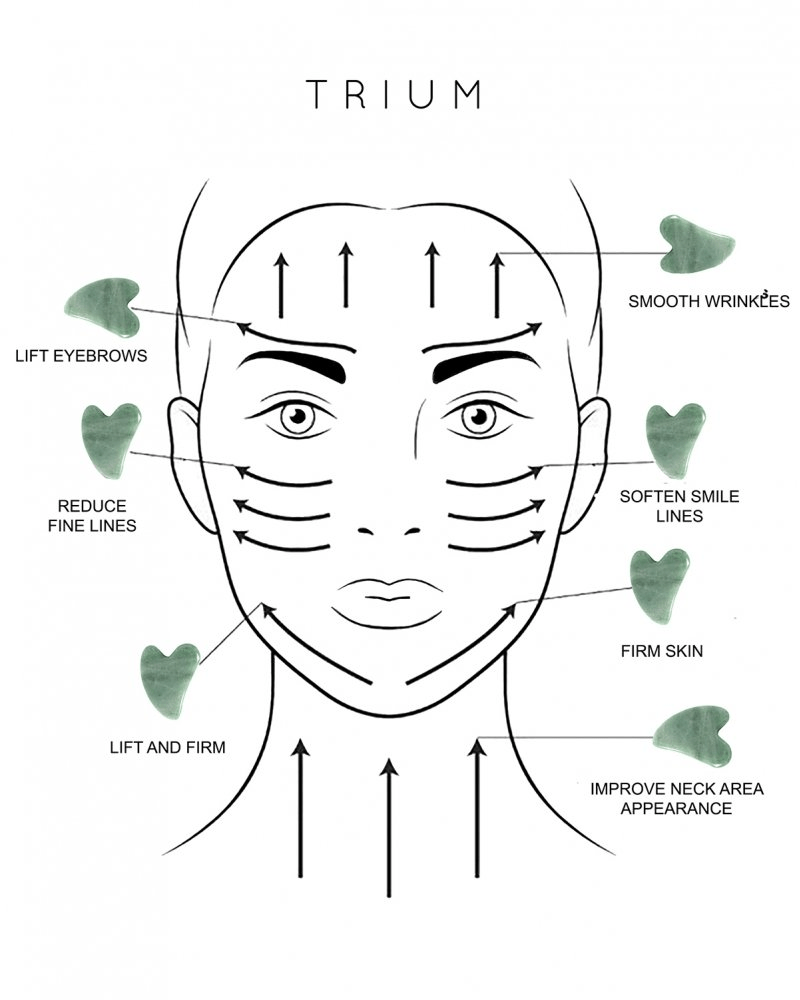
You can reap additional benefits from doing a daily facial massage. The diagram above demonstrates some ways that you can use Gua Sha for the face and neck at home. You can also pair it with a Jade roller to brighten your complexion and make your skincare routine even more soothing. Try this Gua Sha and Jade Roller set. This treatment can also be very relaxing for some people as it’s a form of self-care. Have you tried Gua Sha?


As an Amazon Associate, this site may earn from qualifying purchases. Thank you for your support.

3 Easy Ways to Find out What Your Skin Type is

Editor’s Note: This post was written before our faith-centered refocus, but we still stand by the message. Capital Femme is now a space where skincare meets Scripture 💛

How to find out your skin type.
What is my skin type

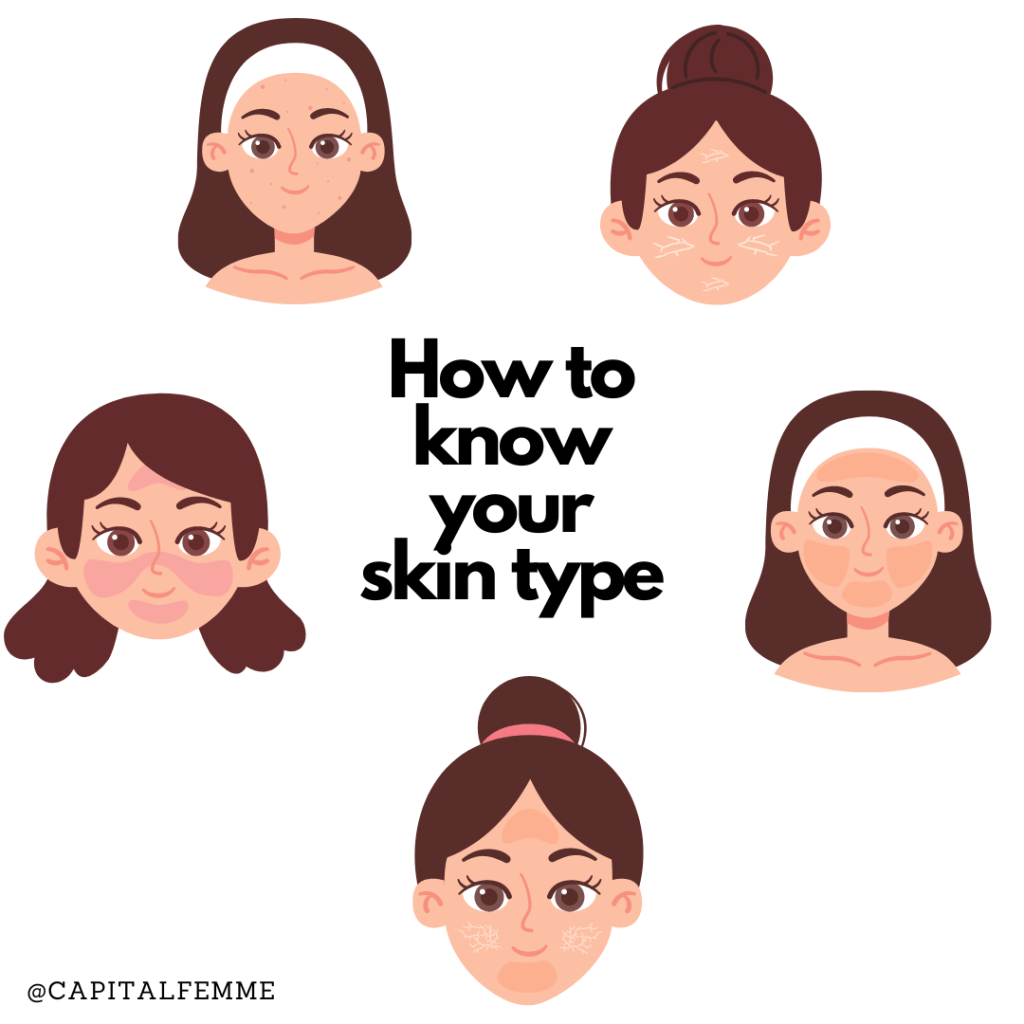
Have you ever bought a product that has worked for a friend but not for you? Are you choosing products that are right for your skin type? There are five main skin types, they are normal, oily, dry, combination and sensitive. Your skin type is largely dependent on your genetics and hormones.

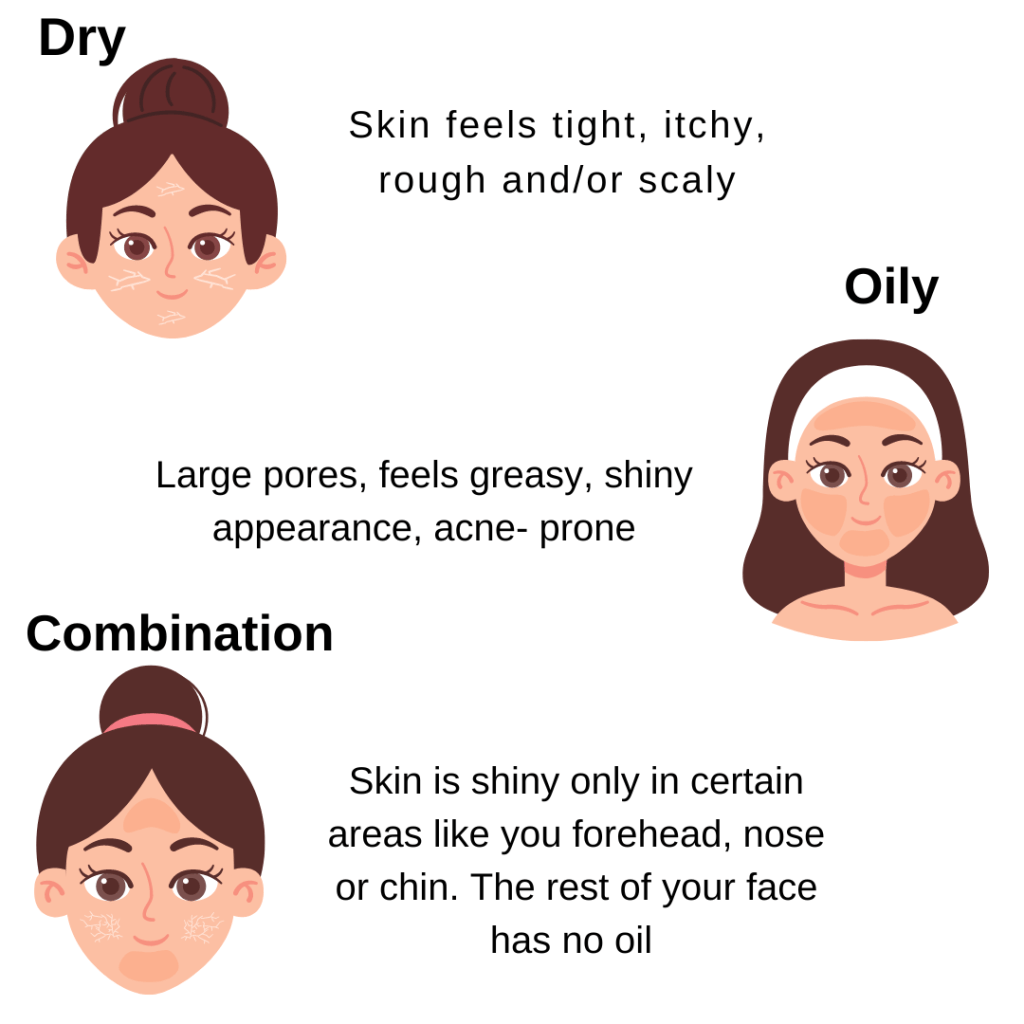
Knowing your skin type is important because it gives you a better understanding of what your skin needs. Instead of just getting a product because you saw someone else using it or simply because it has great reviews, just to be disappointed that it doesn’t work for you. You should know what skin type the product was made for. So knowing your skin type really helps you choose the right products for it. The characteristics that define the five main skin types are:

3 Easy ways to tell are:

First, is the blotting paper method. Get some quality blotting paper and pat (not swipe) each area of your bare face. For example, you could start with your cheeks. Check what comes off of each area by holding up the paper to the light to see if there is any oil. If you see oil for all areas you most likely have oily skin versus no oil then you have dry skin. If you notice only certain areas, for example, your T-zone (forehead, chin and nose) only then you have combination skin.

Second is the 30 minute test. Wash your face with a mild/gentle cleanser. Pat dry, do not apply anything (products) to your face. Then wait thirty minutes. Based on what you have observed you can then determine your skin type.

Thirdly, another option is to visit a dermatologist to find out what your skin type is, and which products will work best for you.

Common Skincare Misconceptions

Editor’s Note: This post was written before our faith-centered refocus, but we still stand by the message. Capital Femme is now a space where skincare meets Scripture 💛

common skincare misconceptions/ myths along with the correct facts

When taking care of yourself, part of that usually includes indulging in your skincare. To do so you have to learn about the skin. So I’ve put together a little list of common skincare misconceptions out there that I’ve heard of and encountered on my journey as well. The corresponding facts included are also worth taking note of. They apply no matter what stage of your skincare you are in.

1. Oily skin doesn’t need to be moisturized.

The obvious choice may be to skip moisturizing if your skin feels greasy but this can actually lead to your skin producing more oil due to dehydration. Using the right moisturizer can actually help control oil production without feeling heavy on the skin.

2. You should exfoliate everyday.

Over exfoliating your skin can cause a breakdown in your natural barrier and cause the skin to become irritated.

3. Pores can open and close.

Pores can appear larger when clogged by dirt, debris and oil. Clean pores will look smaller and prevent them from stretching.

4. Sunscreen is for certain climates and persons with certain skin issues.

Sunscreen should be applied no matter the skin tone or time of year. Sunscreen is for everyone and should be part of any basic skincare routine. Up to 80% of ultraviolet rays can penetrate through clouds on cloudy days.

UV rays can also reflect off of surfaces and cause sunburn. Sunscreen prevents premature aging (wrinkles, fine lines) and lowers your risk of developing skin cancer. It’s recommended to use broad spectrum sunscreen with at least SPF 30 to protect the skin from UVA and UVB rays.

5. Dark circles under the eyes are from a lack of sleep.

A lack of sleep can worsen dark circles but is not the only cause. Other factors such as genetics, aging,  pigmentation, dryness etc. can play a role. This can be treated based on what is causing the dark circles. Getting a vitamin C serum may be a viable option for you.

Finally

I hope this helped spread some light on some misconceptions about skincare and help you better understand your skin.  Share it with a friend if you found this helpful. 


Ingredients That are Good for Oily, Acne Prone Skin

Editor’s Note: This post has been updated as of July 2025. Capital Femme is now a space where skincare meets Scripture 💛

Christian faith aligned ingredients that help oily acne prone skin. Capital Femme

As a busy woman of faith, you’re juggling so much. You deserve skincare that works and aligns with God’s Word (1 Corinthians 6:19-20). You’re not alone if your oily, acne-prone skin feels like a battle  (about 85% of teens and adults face acne at some point).

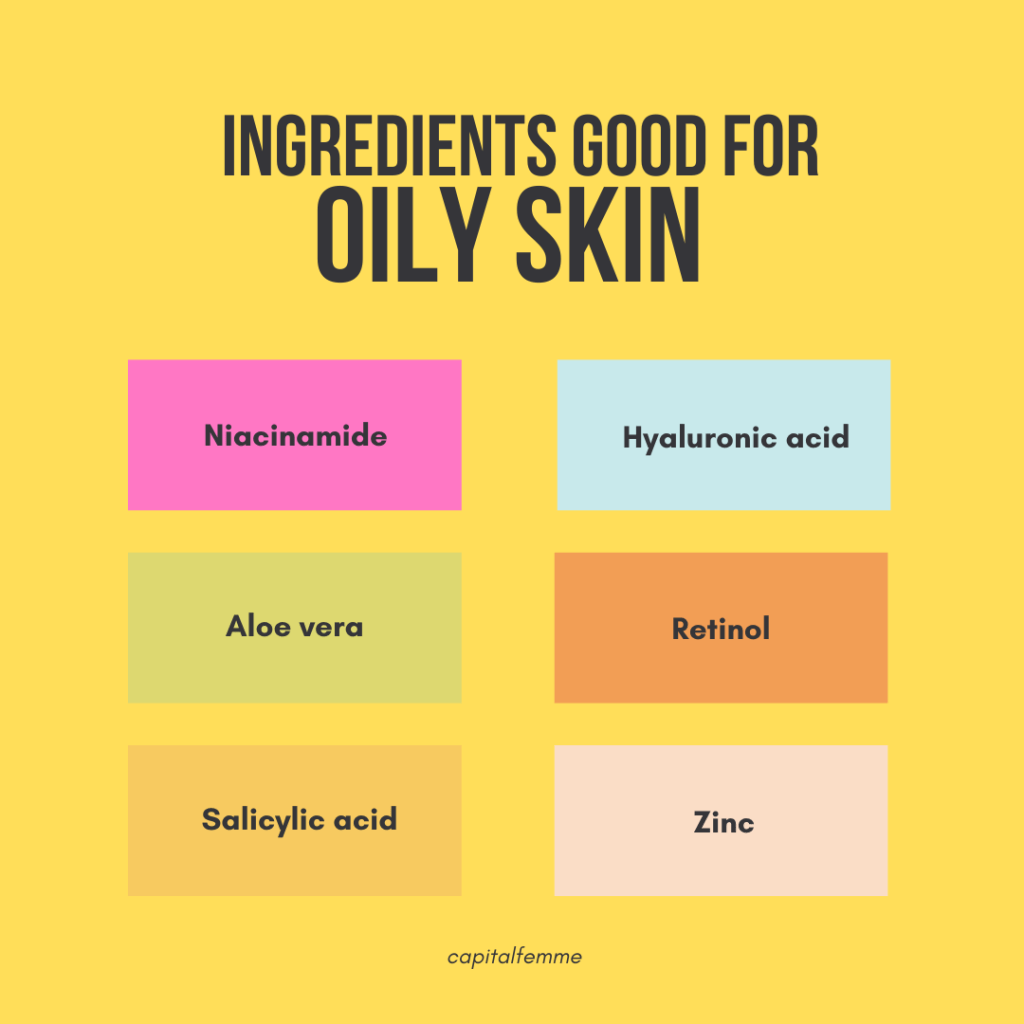
In this post, you’ll discover top skincare ingredients, like niacinamide, aloe vera, and salicylic acid that help control oil, calm inflammation, and honor the temple God gave you. All without overwhelming your routine.

These are some of the top picks of ingredients that will help address issues of oily acne-prone skin type like controlling oil production, unclogging pores and reducing the appearance of large pores. They will also help to keep your skin moisturised. We know that having acne can mess with your self-esteem and confidence so let’s get into this list of helpful ingredients.

Niacinamide, also called vitamin B3 absorbs sebum (oil) and helps with the production of collagen that keeps the skin firm and improves skin texture. It also helps the skin grow a ceramide barrier which helps attract and lock in moisture. It treats acne, hyperpigmentation and protects your skin against sun damage. Niacinamide can also be found in meat, fish, poultry, green vegetables, whole grains and mushrooms.

Now, let’s look at Hyaluronic acid. Despite common misconceptions, oily skin needs to be moisturized. Otherwise, you’ll look like an overoiled mess, which can leave negative impressions on your clients.

Hyaluronic acid is a moisturizing ingredient commonly found in creams, lotions, serums, moisturizers, etc. It functions as a humectant, continuing to draw in and hold moisture to the skin even after it’s applied. It also hydrates the skin by binding water to the skin’s cells. So, less touch-ups during the day once you’ve got this ingredient in the mix.

Did you know hyaluronic acid is found in the body in connective tissues and the eyes? It decreases as we age. Some foods that aid in natural hyaluronic acid production include bone broth, leafy greens and citrus fruits, according to Chix Nutrix.

Next up is Aloe (also known as Aloe Vera) which is from a succulent fleshy plant. Aloe vera has soothing and cooling properties. It’s made up of 98% water. It can soothe irritated skin (such as sunburns), helps reduce inflammation, keeps skin hydrated and lighten blemishes all while fighting against acne. It also speeds up wound healing and limits scarring.

By Capital Femme. Ingredients good for oily skincare. Christian Faith inspired.

Retinol, also called vitamin A, helps reduce oil production by tightening the pores. Retinol cream is a good treatment for whiteheads and blackheads. It’s also known to smooth fine lines and wrinkles. Here’s one retinol cream that’s gentle, skin-loving and effective. To get a full breakdown of this product, check out this review.

Also, it’s recommended to use retinol at night as it can make your skin more sensitive to sunlight. Please consult your doctor before using if you are pregnant. And of course, vitamin A can be found naturally in foods like beef liver, carrots, canteloupe and sweet potato.

Remember to always moisturize and wear SPF.

Salicylic acid is non-comedogenic meaning it won’t clog pores instead it gets into the pores keeping them clear to reduce breakouts. It can be found naturally in the bark of willow trees. Be careful not to overuse this ingredient, especially if pregnant, or using retinol and other exfoliants.

Lastly, Zinc has anti-inflammatory properties. It helps to get rid of acne-causing bacteria from the skin and reduces oil production when applied to the skin. Zinc can be found in foods like poultry, beans, whole grains and dairy products.

Takeaway

All the ingredients mentioned above are non-toxic when used in moderation. All the ingredients above can be found naturally. The key is choosing one or two at a time, especially if your skin is sensitive, and following up with SPF and moisturizer to prevent irritation. Consult your doctor if you’re pregnant before using retinol and salicylic acid. Otherwise, you can look out for these ingredients in your skincare products and let us know what other ingredients you’ve tried and how they’ve worked for you.


This post contains affiliate links. If you make a purchase through them, as an Amazon associate I may earn a small commission—at no extra cost to you. Thank you for supporting this blog!

References (click to view)

https://www.yalemedicine.org/conditions/acne

https://www.news-medical.net/health/Health-Benefits-and-Dangers-of-Aloe-Vera.aspx

https://curology.com/blog/foods-high-in-retinol-these-may-help-your-skin/

https://www.healthline.com/health/beauty-skin-care/zinc-for-acne#diet

https://chicnutrix.com/blogs/world-of-chic/foods-rich-in-hyaluronic-acid#:~:text=Hyaluronic%20acid%20is%20a%20naturally%20occurring%20compound%20produced%20by%20the,hyaluronic%20acid%20in%20the%20body.