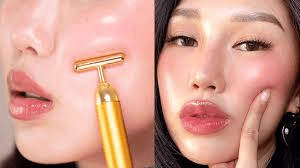
So some of you may be wondering what glass skin is if you don’t already know.
Basically glass skin is a beauty trend that started in South Korea and it means skin that is so clear, glowing, dewy, smooth, and poreless that it’s reflective and as flawless as glass.
This trend started about 2017 and can be seen sported by K-Pop stars.
Now the key to acheiving glass skin starts with a diligent skincare routine. Your goal is to maintain your skin’s moisture barrier. Hydration is your bestfriend.
Here’s a skin care routine to help get you closer to glass skin:
Double cleanse. Start with a non- drying oil or water based cleanser. Then, use a gentle foaming facial cleanser.
Exfoliate. This would be chemical exfoliation. It’s important not to do this everyday to avoid irritation.
Then layer on the hydration. This includes toners, essence and serums.
Moisturize. Your last step should be applying moisturizer and SPF to protect your skin during the day.
Glass skin is all the rave these days. Have you been able to achieve this look with your skincare?
Editor’s Note: This post was written before our faith-centered refocus, but we still stand by the message. Capital Femme is now a space where skincare meets Scripture 💛

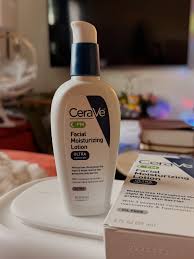
This moisturizer doesn’t have any added fragrance but it does have a slight scent. It helps oily skin, is moisturizing and won’t clog your pores. It’s light on the skin; contains hyaluronic acid and niacinamide. However, this product is not considered clean, cruelty-free or sustainable.
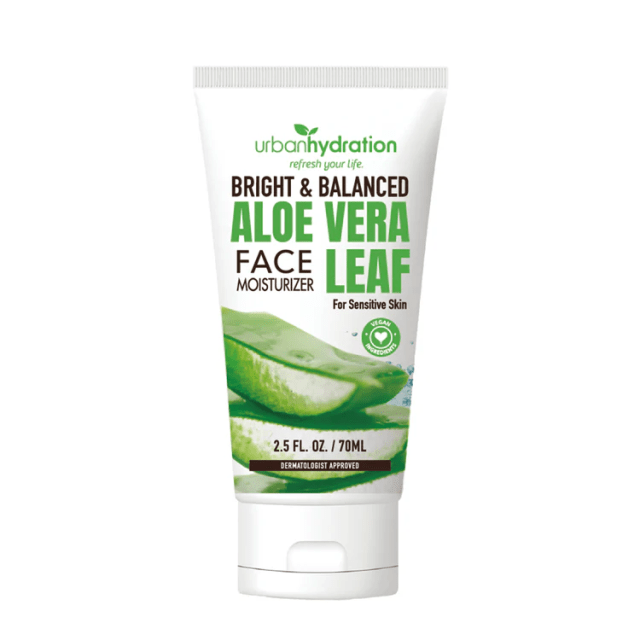
Urban Hydration Aloe Vera Leaf Daily Gel Moisturizer
Rating: 5/5
This moisturizer makes your skin feel cool and hydrated as soon as it’s applied. A little takes you a far way. This gel moisturizer is non- comedogenic. It really does control shine and overtime brightens your complexion. It is also clean, all natural and cruelty-free. Check out the full review here.
It’s to note that both moisturizers can be used on other skin types.
Acids in skincare are mild and mainly used in cleansing and exfoliating your skin.
There are two types of acids most commonly used in skincare, Alpha Hydroxy Acids (AHAs) and Beta Hydroxy Acids (BHAs). There are also PHAs (Ploy Hydroxy Acids) which are good for persons with sensitive skin. Acids are used in chemical exfoliation. The strength of the acid determines the level of chemical exfoliation or peel which is categorized as superficial, medium or deep.
Most acids in skincare are derived from natural sources for example, glycolic acid comes from sugarcane, lactic acid from milk and salicylic acid from willow trees.
Alpha Hydroxy Acids (AHAs)
Alpha Hydroxy Acids are water-soluble and mostly work on the skin’s surface making them a good option for fine lines, texture and dullness. Their benefits are mostly to brighten skin, even out your skin tone and texture, and they may even stimulate collagen production which gives a more youthful appearance.
Some popular AHAs include:
Glycolic acid
Lactic acid
Citric acid
Beta Hydroxy Acids (BHAs)
On the other hand, BHAs tend to penetrate deeper. They are good for unclogging pores, treating and preventing acne. They also help to reduce inflammation.
A common BHA is:
Salicylic Acid
Poly Hydroxy Acids (PHAs)
PHAs are less irritating and are considered the milder version of AHAs. They have the same benefits as AHAs but are larger molecules so they do not penetrate as deep.
Some popular PHAs are:
Gluconolactone
Galactose
Other acids commonly used in skincare
Hyaluronic acid: It’s a natural substance found in the eyes and joints. It is a humectant, a water binding molecule. It holds 1000 times its weight in water making it great for hydration. It is commonly found in moisturizers and serums.
Azelaic acid: This is great and commonly found in products for sensitive skin. It is also used to treat skin issues like melasma and rosacea. It is naturally occurring and found in grains such as barley, wheat and rye.
Are acids safe to use?
The answer is yes. Acids can be found in products like cleansers, moisturizers, toners, serums and as mentioned before as stand alone products (exfoliators). The danger lies in the strength of the acid you are using and how often you are using said acid.
It’s important to note that prolonged use of acids can make your skin more sensitive to the sun, so ensure to always include SPF in your daytime skincare routine. Overuse on the other hand can damage your skin. Telltale signs include dry skin and redness.
Now do let me know what acids you have tried and how they’ve worked for you. I hope this was helpful in choosing your skincare products.
It’s officially summer and with the change in season may also warrant a change in your skincare routine. Here are a few tips I’ve put to together to help you look and feel your best throughout this season:
1. SPF all day, everyday.
The sun’s rays can affect you when it’s cloudy, if you’re sitting by a window, driving in your car or while sitting underneath the shade. You should be wearing a sunscreen with a minimum SPF 30 with a broad spectrum formula to protect against both UVA and UVB rays.
Opt for products that contain SPF, that includes makeup products and moisturizers. You might also want to go for lighter makeup during this season or use products that are non-comedogenic.
2. Add a pair of popping shades.
Not only will this add style to your outfit but can be helpful in protecting your eyes from the sun’s glares and may improve your vision.
3. Hydrate hydrate hydrate.
This cannot be over-stated. This has numerous benefits for your health and one of them is helping to cope with the heat. Water keeps your body and skin hydrated. You should be drinking water throughout the day. Opt for skincare products that are moisturizing and prevent dryness.
4.Use a Vitamin C serum.
This is important as it helps reduce hyperpigmentation that can be made worse by exposure to the sun. It also will help reduce the appearance of fine lines.
5.Exfoliate your skin.
Depending on your skin type you can use physical or chemical exfoliation. Physical is using some tool like a brush on your skin when cleansing while chemical exfoliation can include using acids like Salicylic acid. Read more on exfoliation here.
I hope applying these tips to your life will be beneficial for you. Let me know what you have tried and what works for you.
Gua Sha is a traditional Chinese medicine technique that involves scraping the skin using a flat stone tool. It is used to treat chronic pain, help blood flow, promote healing and create a lifting effect on the skin. It may also reduce inflammation. It is used on different parts of the body like the legs, back, buttocks, arms and legs. A gentle version is often used as a facial technique.
Gua sha has become more frequently used in the West. It has become a household item used mostly as a facial massage tool to give the skin a more youthful appearance. Many people have seen results from consistent use and shared them online. The stones commonly used in Gua Sha include Jade, Rose quartz, Black Obsidian and Amethyst.
You can reap additional benefits from doing a daily facial massage. The diagram above demonstrates some ways that you can use Gua Sha for the face and neck at home. You can also pair it with a Jade roller to brighten your complexion and make your skincare routine even more soothing. Try this Gua Sha and Jade Roller set. This treatment can also be very relaxing for some people as it’s a form of self-care. Have you tried Gua Sha?
Disclosure: This post contains affiliate links. If you make a purchase through them, as an Amazon associate I may earn a small commission—at no extra cost to you. Thank you for supporting this blog!
Have you ever bought a product that has worked for a friend but not for you? Are you choosing products that are right for your skin type? There are five main skin types, they are normal, oily, dry, combination and sensitive. Your skin type is largely dependent on your genetics and hormones.
Knowing your skin type is important because it gives you a better understanding of what your skin needs. Instead of just getting a product because you saw someone else using it or simply because it has great reviews, just to be disappointed that it doesn’t work for you. You should know what skin type the product was made for. So knowing your skin type really helps you choose the right products for it. The characteristics that define the five main skin types are:
3 Easy ways to tell are:
First, is the blotting paper method. Get some quality blotting paper and pat (not swipe) each area of your bare face. For example, you could start with your cheeks. Check what comes off of each area by holding up the paper to the light to see if there is any oil. If you see oil for all areas you most likely have oily skin versus no oil then you have dry skin. If you notice only certain areas, for example, your T-zone (forehead, chin and nose) only then you have combination skin.
Second is the 30 minute test. Wash your face with a mild/gentle cleanser. Pat dry, do not apply anything (products) to your face. Then wait thirty minutes. Based on what you have observed you can then determine your skin type.
Thirdly, another option is to visit a dermatologist to find out what your skin type is, and which products will work best for you.