
Bliss Clear Genius Clarifying Gel Cleanser for oily skin

Editor’s Note: This post has been updated as of July 11, 2025. Capital Femme is now a space where skincare meets Scripture 💛
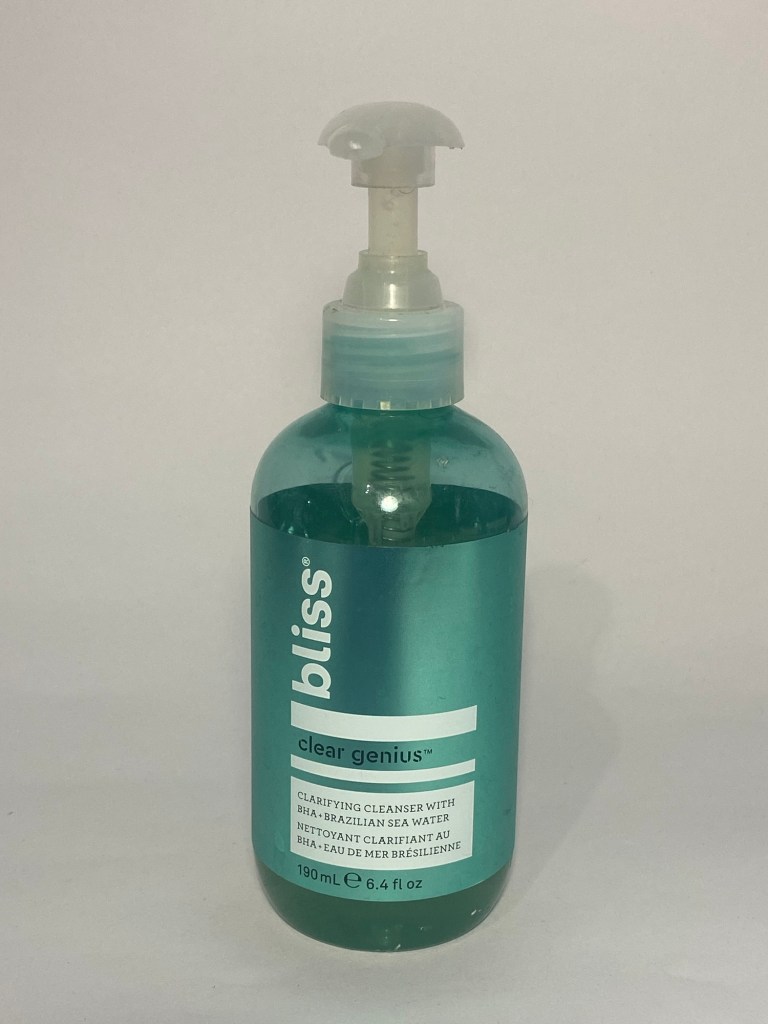
Capital Femme, Bliss Clear Genius Clarifying Cleanser fro Oily skin review.
Christian values aligned skincare product

You care for clients, close deals, and serve with grace, but your skin might be sending signals. Nearly 85% of people experience acne at some point, and adult acne affects around 15% of women too. Stress is a common factor when it comes to adult acne. If you’ve noticed breakouts creeping in, even when you thought you had your skincare routine down, you’re not alone.

In this review of the Bliss Clear Genius Clarifying Gel Cleanser, we’ll explore how its gentle yet effective formula can help manage oily, breakout-prone skin without drying you out. Because loving your skin well doesn’t have to compete with your faith. It is an act of honoring the temple God entrusted to you (1 Corinthians 6:19-20).

Get this cleanser here

Cleansing oily skin is important because excess oil easily clogs pores with dirt and bacteria. This then leads to acne. You should try to cleanse your skin at least twice a day, and always after exercise.

Having oily skin means needing a cleanser that’ll keep blackheads, clogged pores and acne at bay and this one gets the job done. Using this product, you’ll notice fewer breakouts and clearer skin.
Capital Femme reviews Bliss Clear Genius Clarifying Gel Cleanser a product good for oily skin, clogged pores and acne.

This cleanser includes salicylic acid and Brazilian sea water. The acid in this skincare product is gentle; it helps to clear and clean out your pores, which is beneficial for oily skin while the sea water soothes and detoxifies.

This product is also clean, vegan and cruelty-free (not tested on animals).

🌿 Ready to try it? Get it here

We really like that for this product, a little goes a long way. It is easy to lather and spread once you add a little water. It isn’t harsh or too drying and definitely leaves your skin feeling clean but not dried out.

We like the packaging too, it came in a cylinder-shaped bottle (as shown in the image above) just with the pump sealed. Once you open it, you don’t even need a full pump to wash your face, so it should last you quite a while. You’ll need just about a pea-sized amount. Just add a little water and then lather.

It has a slight scent, barely noticeable. We recommend this product. It’s an effective cleanser. It really helps if you’re looking for something to combat your acne, get into your pores to remove any impurities and control oil. This is one skincare product you will appreciate.

💛 Get yours here


As an Amazon Associate, I may earn from qualifying purchases. Thank you for your support.

Connect on Facebook

Reference (click to view)

https://www.aad.org/media/stats-numbers

What you should know about acids in skin care

Editor’s Note: This post was written before our faith-centered refocus, but we still stand by the message. Capital Femme is now a space where skincare meets Scripture 💛

alpha hydroxy acids, beta hydroxy acids, poly hydroxy acids. Are acids dangerous. Acids are safe to use?
AHAs, BHAs, PHAs
Hyaluronic acid
Azelaic acid

What are acids?

Acids in skincare are mild and mainly used in cleansing and exfoliating your skin.

There are two types of acids most commonly used in skincare, Alpha Hydroxy Acids (AHAs) and Beta Hydroxy Acids (BHAs). There are also PHAs (Ploy Hydroxy Acids) which are good for persons with sensitive skin. Acids are used in chemical exfoliation. The strength of the acid determines the level of chemical exfoliation or peel which is categorized as superficial, medium or deep.

Most acids in skincare are derived from natural sources for example, glycolic acid comes from sugarcane, lactic acid from milk and salicylic acid from willow trees.

Alpha Hydroxy Acids (AHAs)

Alpha Hydroxy Acids are water-soluble and mostly work on the skin’s surface making them a good option for fine lines, texture and dullness. Their benefits are mostly to brighten skin, even out your skin tone and texture, and they may even stimulate collagen production which gives a more youthful appearance.

Some popular AHAs include:

  • Glycolic acid
  • Lactic acid
  • Citric acid

Beta Hydroxy Acids (BHAs)

On the other hand, BHAs tend to penetrate deeper. They are good for unclogging pores, treating and preventing acne. They also help to reduce inflammation.

A common BHA is:

  • Salicylic Acid

Poly Hydroxy Acids (PHAs)

PHAs are less irritating and are considered the milder version of AHAs. They have the same benefits as AHAs but are larger molecules so they do not penetrate as deep.

Some popular PHAs are:

  • Gluconolactone
  • Galactose

Other acids commonly used in skincare

Hyaluronic acid: It’s a natural substance found in the eyes and joints. It is a humectant, a water binding molecule. It holds 1000 times its weight in water making it great for hydration. It is commonly found in moisturizers and serums.

Azelaic acid: This is great and commonly found in products for sensitive skin. It is also used to treat skin issues like melasma and rosacea. It is naturally occurring and found in grains such as barley, wheat and rye.

Are acids safe to use?

The answer is yes. Acids can be found in products like cleansers, moisturizers, toners, serums and as mentioned before as stand alone products (exfoliators). The danger lies in the strength of the acid you are using and how often you are using said acid.

It’s important to note that prolonged use of acids can make your skin more sensitive to the sun, so ensure to always include SPF in your daytime skincare routine. Overuse on the other hand can damage your skin. Telltale signs include dry skin and redness.

Now do let me know what acids you have tried and how they’ve worked for you. I hope this was helpful in choosing your skincare products.