A Review of Nature Made Fish Oil for Wellness

Last updated: January 14, 2026

Editor’s Note: Capital Femme is now space where faith meets wellness 💛
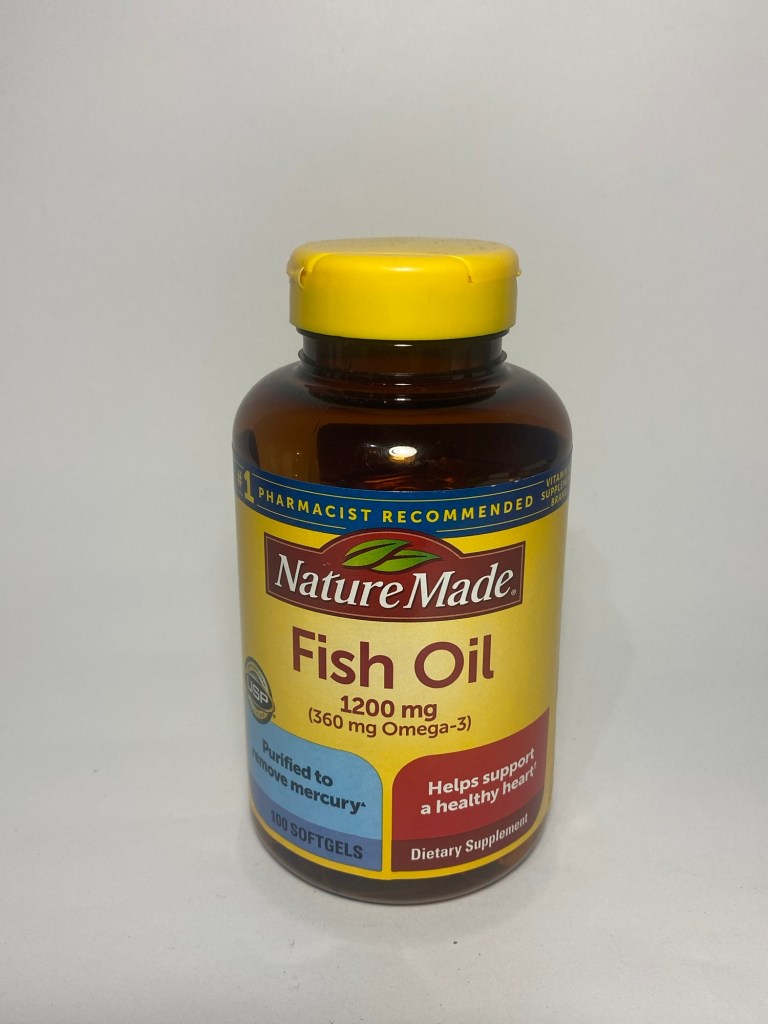
Capital Femme Nature's Made Omega-3 Fish Oil review for wellness for christian women. Oily skincare.

Did you know that over 18 million adults in the U.S. took omega-3 supplements in 2020? That number reflects how many people are seeking ways to support their bodies from the inside out. If you’re someone who doesn’t eat fish often—or if it’s simply not a part of your diet—Omega-3 supplements might be a nourishing solution for you.

Omega-3s are found in many plant-based foods, including nuts, seeds, leafy greens, and oils. Some plant-based sources are Flaxseed, Chia seeds, Walnuts, Hemp seeds, Edamame, Seaweed, Soybean oil, Canola oil, Kidney beans, Brussel sprouts, Kiwifruit, Spinach and papaya.

Fish like Salmon, Mackerel, and Sardines are excellent sources of omega-3s. 

Sometimes, life gets busy, and your diet doesn’t always give you everything your body needs. That’s where supplements can come in, not as a replacement, but as a helpful support in keeping yourself healthy.

Omega-3 supplements have become increasingly popular due to their numerous health benefits and essential role in maintaining overall well-being. As you continue growing in your journey of caring for yourself, it’s important to consider how and what you take in can support your physical, mental, and even spiritual well-being.

Here’s a review of what you need to know about these Nature Made Omega-3 supplements:

Benefits of Omega-3 Supplements

  1. Cardiovascular Health
    • Omega-3 fatty acids are well-known for their heart health benefits. They help reduce triglyceride levels, lower blood pressure, and prevent the formation of blood clots, thus decreasing the risk of heart disease.
  2. Anti-inflammatory Properties
    • These fatty acids have potent anti-inflammatory properties that can help manage chronic inflammatory conditions such as arthritis and reduce overall inflammation in the body.
  3. Brain Health
    • Omega-3s, particularly DHA (docosahexaenoic acid), play a crucial role in brain function and development. They are essential for cognitive function and may help reduce the risk of neurodegenerative diseases.
  4. Skin Health
    • Regular intake of Omega-3 supplements can lead to improved skin health by regulating oil production, enhancing hydration, reducing acne, and promoting the skin’s overall appearance and elasticity.
  5. Mood and Mental Health
    • Omega-3 supplements have been linked to reduced symptoms of depression and anxiety. They play a role in brain chemistry and can improve overall mental health.
Capital Femme. Facebook. Nature's Made Omega-3 Fish Oil review for Christian women, skincare, self-care and wellness

Potential Downsides

While Omega-3s are beneficial, taking them in high doses or on a diet already high in carbohydrates can lead to high blood sugar. To avoid this, you can take it every other day.

Some people may experience nausea (if taken on an empty stomach).

    These Omega-3 supplements are from wild caught ocean fish, not farm raised fish. They have also been tested for quality and encapsulated in the USA. They’re also purified to remove mercury. There’s no color added, no artificial flavors and they’re gluten free.

    Conclusion

    Omega-3 supplements offer a wide range of health benefits, from supporting heart and brain health to improving skin and mental well-being. However, it’s important to choose high-quality supplements and be mindful of the appropriate dosage to avoid potential downsides. So before starting any new supplement, take a moment to pray, reflect, and consult with a trusted healthcare provider.

    Scripture: 1 Corinthians 10:31 (NIV)

    “So whether you eat or drink or whatever you do, do it all for the glory of God.”

    This scripture reinforces that our bodies are temples of the Holy Spirit and so we must treat them with care. Always prioritize your self-care and that starts with Jehovah. Have a blessed day.


    As an Amazon Associate, this site may earn from qualifying purchases. Thank you for your support.

    References (click to view)

    1.Health.comThe 10 Best Fish Oil Supplements 

    2. Journal of Clinical Psychiatry: Meta-analysis of the effects of EPA in clinical trials in depression.

    3. Amazon Reviews: Customer reviews on Sports Research Triple Strength Omega-3 Fish Oil. 
    Your gut & skincare: Tomatoes, skincare superfood

    Editor’s Note: This post was written before our faith-centered refocus, but we still stand by the message. Capital Femme is now a space where skincare meets Scripture 💛

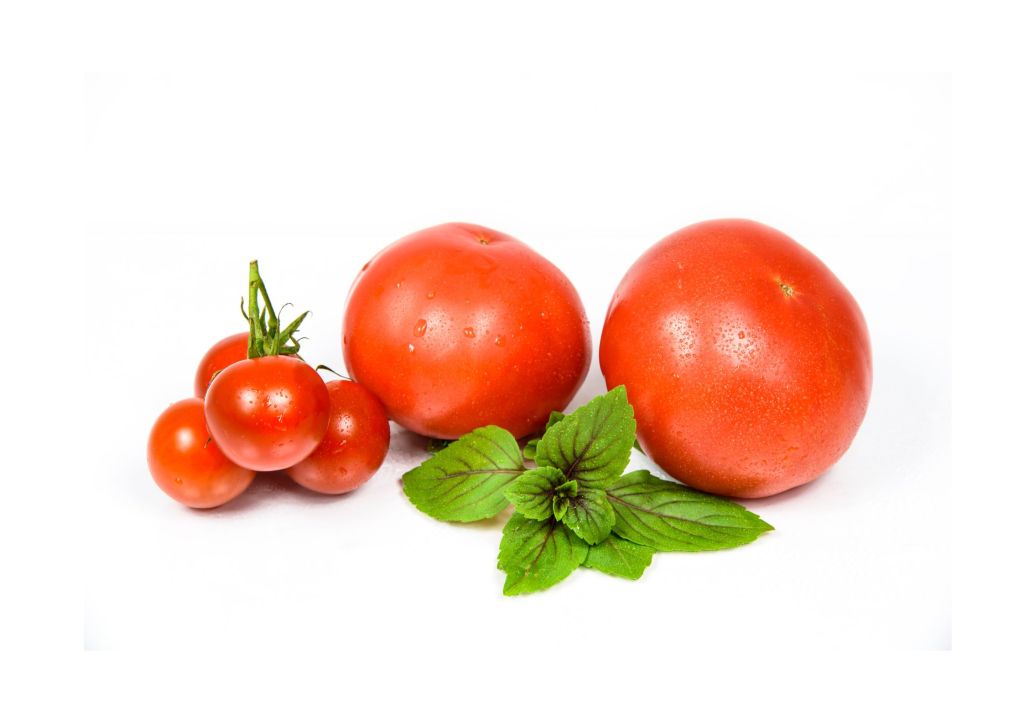
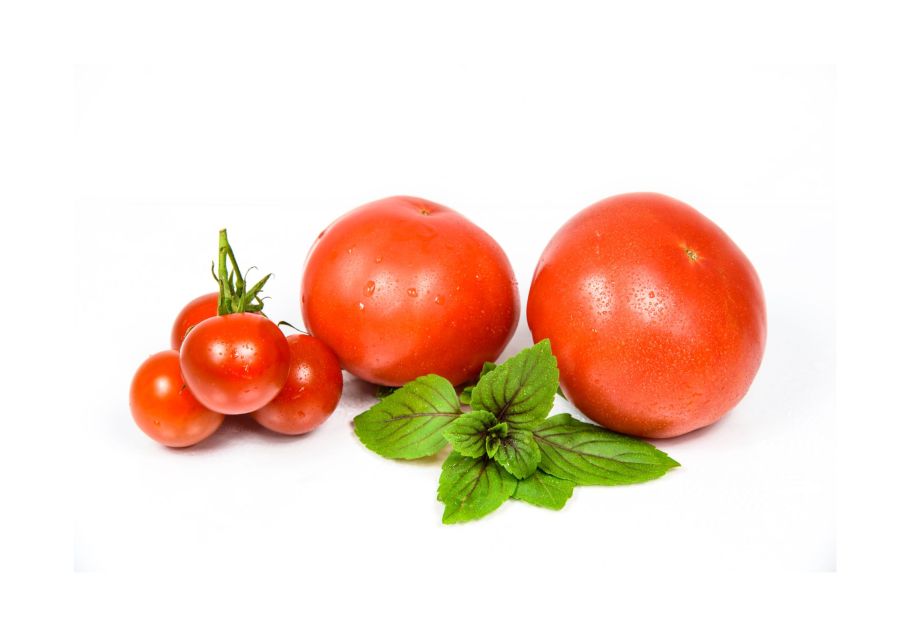
    Tomatoes are about 94–95% water. This makes them a hydrating food that can help you stay hydrated. There are more than 75 kinds of tomatoes available, with cherry, plum, and beefsteak being the most common varieties in supermarkets. Tomatoes offer numerous benefits when included in your diet and skincare routine. Here’s some information about their impact:

    Benefits of including tomatoes in your diet

    • Loaded with lycopene, potassium, vitamins B, and E, and other nutrient.
    • May help protect against skin cancer and reduce the risk of sunburns due to their lycopene content.
    • Contains lutein and zeaxanthin, which may protect eyes from digital device blue light and age-related macular degeneration.
    • May contribute to stroke prevention, ease inflammation, boost the immune system, lower cholesterol, and prevent blood clotting.

    Skincare Benefits

    • The lycopene in tomatoes may help fight cellular damage, soothe skin inflammation, and stimulate collagen production.
    • Contains antioxidants, such as vitamin C and lycopene, which can help fight free radicals and may moisturize skin.
    • Vitamins B and E in tomatoes may have anti-aging properties and contribute to cell repair.

    What to consider

    Some individuals report that consuming tomatoes can cause symptoms of gastrointestinal problems (like acid reflux) due to their acidity. Also some persons may have allergies and be itchy or experience swelling.

    Kinds of Tomatoes

    1. Cherry Tomatoes: Small, round, and often sweet, perfect for salads and snacking.
    2. Plum Tomatoes: Also known as Roma tomatoes; they have a denser flesh and fewer seeds, making them ideal for sauces.
    3. Beefsteak Tomatoes: Large, juicy tomatoes often used for sandwiches and burgers.
    4. Heirloom Tomatoes: Unique and varied in color and shape, known for their rich flavor.
    5. Green Tomatoes: Unripe tomatoes that are firm and tart, often used in fried green tomato recipes.

    In conclusion, incorporating tomatoes into your diet and skincare routine can provide a range of health and skincare benefits due to their rich nutrient content and antioxidant properties.

    References (click to view)

    https://www.healthline.com/health/tomato-benefits-for-skin

    https://www.purplle.com/magazine/article/tomatoes-skin-benefits-and-its-uses

    https://www.webmd.com/food-recipes/ss/slideshow-tomato-health-benefits

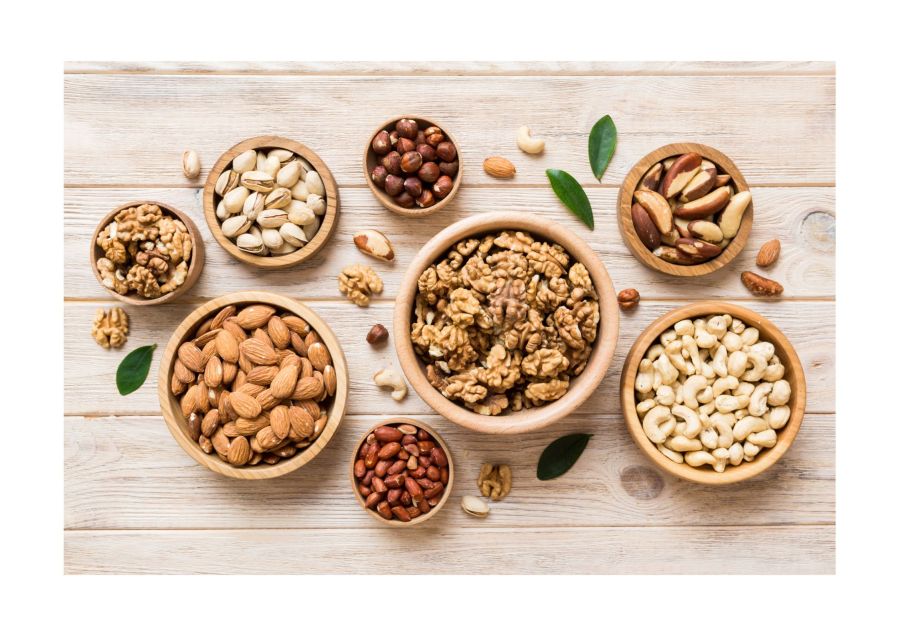
    Picture of different kinds of nuts in bowls

    Your gut & skincare: The nutritional bounty of nuts

    Editor’s Note: This post was written before our faith-centered refocus, but we still stand by the message. Capital Femme is now a space where skincare meets Scripture 💛

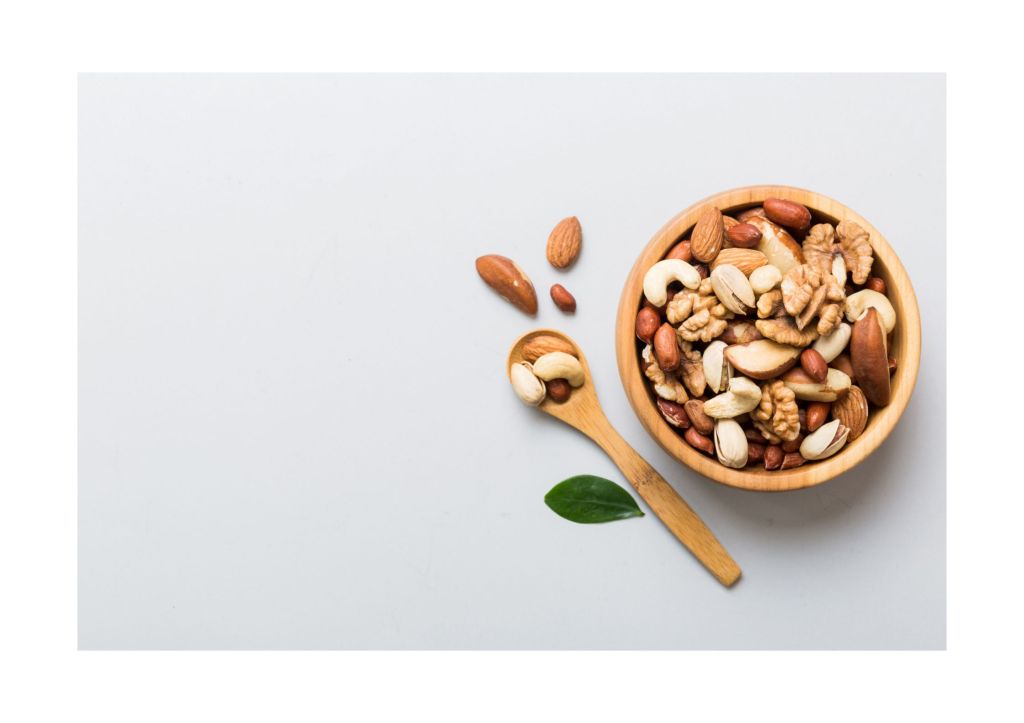
    Nuts, the tiny powerhouses of nutrition, offer a wealth of health benefits that extend beyond just satisfying your taste buds. From promoting heart health to nurturing glowing skin, nuts carry a myriad of advantages for your overall well-being. According to Statista, almonds were the most consumed nut in the US in 2020, with 111.74 million Americans eating them. Some commonly eaten nuts apart from almonds are pistachios, walnuts, cashew nuts, hazelnuts and macadamias. Did you know peanuts are considered legumes?

    Nutritional Bonanza

    Nuts are abundant sources of essential nutrients, including healthy fats, protein, fiber, and an array of vitamins and minerals. They are particularly rich in omega-3 fatty acids, monounsaturated fats, and antioxidants, all of which play crucial roles in maintaining optimal health and radiant skin.

    Skin Benefits

    • Vitamin E Richness: Nuts such as hazelnuts, almonds, and pecans are high in antioxidants like Vitamin E, contributing to maintaining healthy and radiant skin.
    • Omega-3 Fatty Acids: Nuts like walnuts provide omega-3 fatty acids, which are vital for skin health, aiding in the production of anti-inflammatory compounds that promote soft, supple skin and assist in managing inflammatory skin conditions.

    Incorporating Nuts into Your Diet

    • Weight Management: The combination of protein, fiber, and healthy fats in nuts lends a feeling of satiety, aiding in managing weight and promoting a sense of fullness after meals.
    • Heart Health: Regular consumption of nuts has been linked to reduced risk of heart disease, improved cholesterol levels, and lower incidence of coronary heart disease and myocardial infarctions.

    Precautions

    It’s important to know if you are allergic to nuts before eating them or using skincare products with nuts included in them and to be prepared if you turn out to be. These allergies can be life- threatening. Avoid using products made using nuts (or byproducts of nuts) like nut oil for example.

    Conclusion

    Overall, the nutrient-dense nature of nuts makes them a valuable addition to your diet for supporting not only your overall health but also your skincare.

    References (click to view)
    https://www.betterhealth.vic.gov.au/health/healthyliving/nuts-and-seeds

    Your gut & skincare: Foods good for oily skin

    Editor’s Note: This post has been updated as of July 2025. Capital Femme is now a space where skincare meets Scripture 💛

    Between early showings, client lunches, and late-night emails, your body is doing a lot, and your skin often tells the story. Did you know that what you eat can affect your skin as much as what you apply?

    Maybe your skin has left you feeling frustrated, embarrassed, or even discouraged. Those flare-ups can wear on your confidence. But here’s something to hold onto: even in this, you are fearfully and wonderfully made (Psalm 139:14), and caring for your body can be an act of worship.

    As 1 Corinthians 10:31 reminds us, “So whether you eat or drink or whatever you do, do it all for the glory of God.” That means your food choices, your skincare, and even how you treat your body in hard seasons can reflect your faith and God’s love.

    In this post, we’ll explore the link between gut health and glowing skin, offering faith-filled tips on foods that support both your well-being and your purpose in Christ.

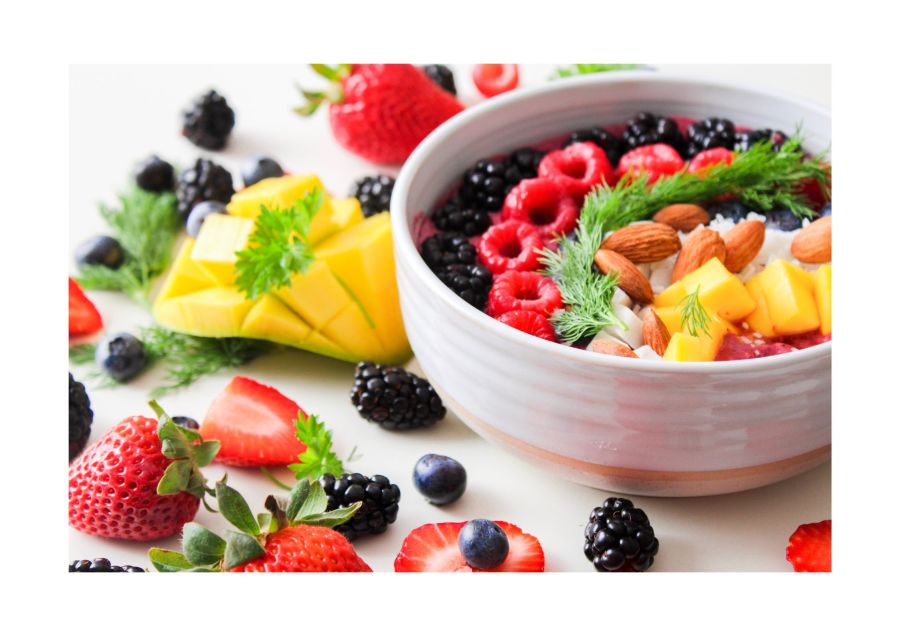
    Nourishing Foods for Oily Skin

    Findings from some studies suggest that following a low-glycemic diet (referring to high sugar), may reduce the amount of acne you have. Low-glycemic foods include most fresh vegetables, some fresh fruits, beans, and oats. In contrast, a high-glycemic diet is one that includes foods and drinks that spike your blood sugar quickly. In the USA, 2258 patients were placed on a low-glycemic diet so that they could lose weight. This diet also reduced their acne, with 87% of patients saying they had less acne, and 91% saying they needed less acne medication.

    Dealing with oily skin can be a challenge, but making mindful choices in your diet can significantly impact its condition. Incorporating the right foods can help balance oil production and promote a clearer complexion. Here are some nourishing foods that are beneficial for oily skin:

    Omega-3 Rich Foods

    • Sardine: Packed with omega-3 fatty acids, sardine helps reduce inflammation and keep skin cells nourished, helping to control oil production.
    • Kidney beans: These are a good source of omega-3s, aiding in maintaining the skin’s moisture balance and supporting a healthy glow.
    Foods good for oily skincare by Capital Femme. Christian faith rooted

    Antioxidant-Packed Fruits and Vegetables

    • Tomatoes: They are loaded with antioxidants that can help control sebum production and protect the skin from environmental damage.
    • Leafy Greens: Lettuce, kale, and other leafy greens are rich in vitamins and minerals that promote clear, radiant skin while regulating oiliness.

    Zinc-Containing Foods

    • Quinoa: High in zinc, quinoa helps control oil production and assist in the healing of blemishes and acne-prone skin.
    • Legumes: Foods like lentils and chickpeas are not only rich in zinc but also provide protein and fiber for overall skin health.

    Hydration-Boosting Foods

    • Cucumber: With its high water content, cucumber helps hydrate your skin from within, balancing oil production and promoting a clear complexion.
    • Watermelon: Another hydrating fruit, can assist in flushing out toxins and keeping the skin supple and refreshed.

    Some things to watch out for

    You want to avoid processed foods. These are foods with added salt, sugar or fat. They include sausages, processed meats, chips, soda and more. You also want to reduce high glycemic foods like white bread, corn flakes, white rice, potato chips, doughnuts or other pastries.

    If your skin hasn’t looked the way you hoped lately, don’t be hard on yourself. Healing is a process both physically and spiritually. Each step you take to nourish your gut and care for your skin can be a quiet, sacred moment of stewardship. Even small changes count.

    In Closing

    Incorporating these foods into your diet can complement your skincare routine and aid in managing oily skin. Remember, a balanced and varied diet, rich in essential nutrients, can play a significant role in promoting a healthy complexion. By nourishing your body with these skin-friendly foods, you can work towards achieving a more balanced and radiant complexion.

    When you prioritize your wellness with faith at the center, it’s not vanity. It’s stewardship. What you put in your body matters just as much as what you put on it. So next time you prep your meals or sip your tea, remember: even this can be done for the glory of God.


    Connect on Facebook

    References (click to view)

    https://www.healthline.com/nutrition/12-omega-3-rich-foods#6.-Sardines-(-1,463-mg-per-serving)

    https://www.aad.org/public/diseases/acne/causes/diet#:~:text=Scientists%20believe%20that%20following%20a,oily%20substance%20in%20your%20skin.

    The wonders of Aloe Vera for your skin and overall health

    Editor’s Note: This post was written before our faith-centered refocus, but we still stand by the message. Capital Femme is now a space where skincare meets Scripture 💛

    Picture of hummingbird on Aloe Vera Plant benefits for skincare and overall health. By Capital Femme

    Aloe Vera, in Jamaica it is also known as Sinkle bible. It is usually grown in tropical, semi- tropical zones but can be found all over the world. It thrives in warm, dry climates. This plant has many purposes, especially for skincare. Let’s look at a few of them.

    Skincare benefits

    It has antibacterial and antioxidant properties that can be used to treat numerous skin conditions. This plant has healing powers and can help treat cuts, scrapes minor burns including sunburn and minor wounds.

    Due to its anti-bacterial properties, it helps manage excessive acne. It is also anti-inflammatory and soothes redness, flare-ups, irritation and promotes healing of acne scars. 

    The antioxidants found in Aloe help fight free radicals. Free radicals are unstable atoms that can damage cells, causing illness and aging. 

    Some of its additional benefits are moisturizing oily and dry skin, soothing inflammation, frostbite, cold sores, eczema and psoriasis.

    For oily skin, aloe vera works because it has high water content which hydrates the skin and is a non-greasy moisturizer. Aloe vera can also be used as a toner as it is gentle enough that it won’t dry out your skin while helping to control oil production.

    This plant is also known to help with wrinkles by increasing collagen production and improving skin elasticity.

    The most potent form of the plant is the gel, you can use Over-the-counter aloe gel or you can use it directly from the plant.

    Digestive benefits

    When consumed aloe vera can be used to reduce:

    Dental plaque – It can be used as an alternative to chemical mouthwash and can provide relief from bleeding or swollen gums.

    Constipation – laxatives within the plant may help relieve constipation.

    Blood sugar levels – consuming aloe vera can help persons with prediabetes and type 2 diabetes.

    Aloe vera is a rich source of:

    • Vitamin A
    • Vitamin E
    • Vitamin C
    • Beta-carotene
    • Calcium
    • Folic Acid
    • Magnesium

    Precautions

    It may soothe sunburn but is not a replacement for sunscreen. So please use your sun protection. You can be sensitive to aloe vera and should try a small patch test on somewhere like your forearm. If you experience any adverse reaction stop using it. Try not to use this plant too frequently.

    Finally

    Aloe vera is a succulent plant packed with many benefits including skin care, digestion and nutrition. There are studies and data available that back these claims. However, you should be cautious of how much aloe you consume. This natural resource is truly extraordinary and with care can be great for your health.