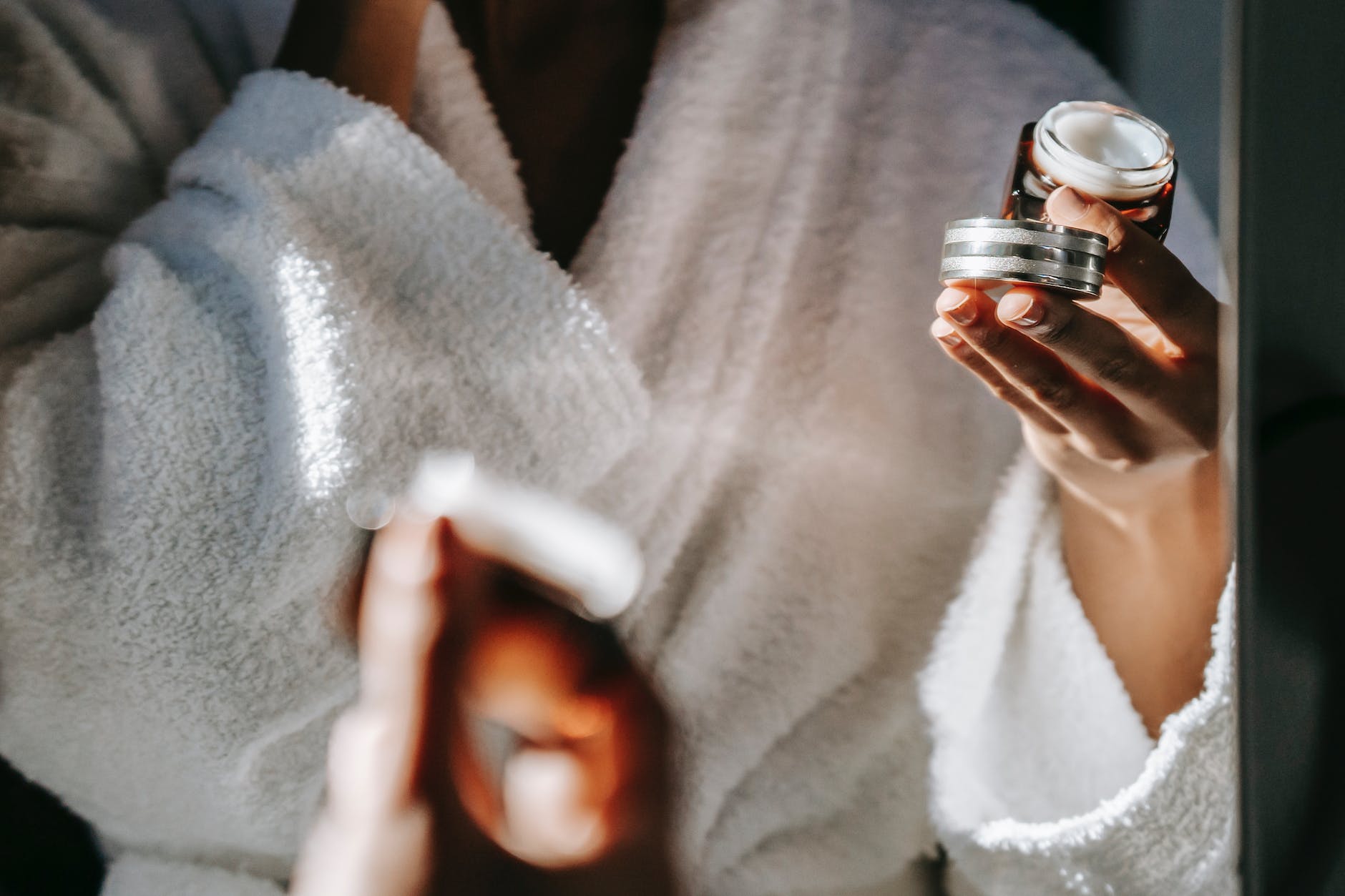

Featured Woman in white robe and towel wrap on hair putting a finger of skincare product on face.

4 Ways to prevent breakouts on oily skin

Editor’s Note: This post was originally published in October 6, 2022 but has been updated for freshness and accuracy. Capital Femme is now a space where skincare meets Scripture💛

Pink background with a woman with a towel around her hair and index finger touching her skincare face mask. Preventing acne/breakouts on oily skin. Habits you should and shouldn't do. Clean skincare

Acne is closely linked to oily skin, with about 85% of people aged 15-25 experiencing acne. You can also get acne in your 30s and 40s.

Having a proper skincare routine starts with using the right products to cleanse.

Keeping your skin clean can be the elephant in the room when it comes to clear skin.

There are multiple causes that can worsen oily skin like stress, humidity and genetics. Some signs that you may have oily skin are a shiny appearance, clogged pores or blackheads and occasional or persistent pimples.

As 1 Corinthians 6:19-20 reminds us, our body is a temple and worthy of thoughtful care ✨.

With that said, here are 4 tips that can improve your skin’s health and prevent breakouts:

 1. Choose products that are oil-free and non-comedogenic.

Keep your skin clean by using a gentle foaming face wash. It’s a common belief that a strong cleanser needs to be used but this can irritate your skin and produce even more oil.

Using cleansers that are oil or alcohol-based can also irritate your skin. You should wash your face at least twice a day, in the morning and evening. In addition to that, don’t forget to wash your face after a workout.

2. Apply a clay mask.

A person with oily skin’s pores can become clogged when too much sebum is produced which can lead to acne and blackheads.

For cleansing beyond the surface of the skin and removing blackheads, a product that we’ve found works really well that you can try is Urban Hyrdation’s Pink Clay Facial Whipped Mud Mask.

Using this pink clay mask is gentle yet does an excellent job of absorbing oils and impurities to improve the appearance of the skin. This mask may be unavailable now, but using another good clay mask (with clean ingredients of course) is good for oily skin.

This treatment can be very effective as it clears congestion to minimize blackheads and hormonal breakouts.

3. Avoid touching your face throughout the day.

This can spread bacteria, oil and dirt from the hands to the face.

Also, be cautious about who and what you let touch your face. If you carry a rag or handkerchief, ensure that it’s washed and clean for use.

Only touch your face with clean hands when cleansing and applying products like moisturizer or makeup. Once I implemented this rule in my skincare routine I saw a drastic difference in my skin’s appearance.

4. Stay hydrated and watch what you eat.

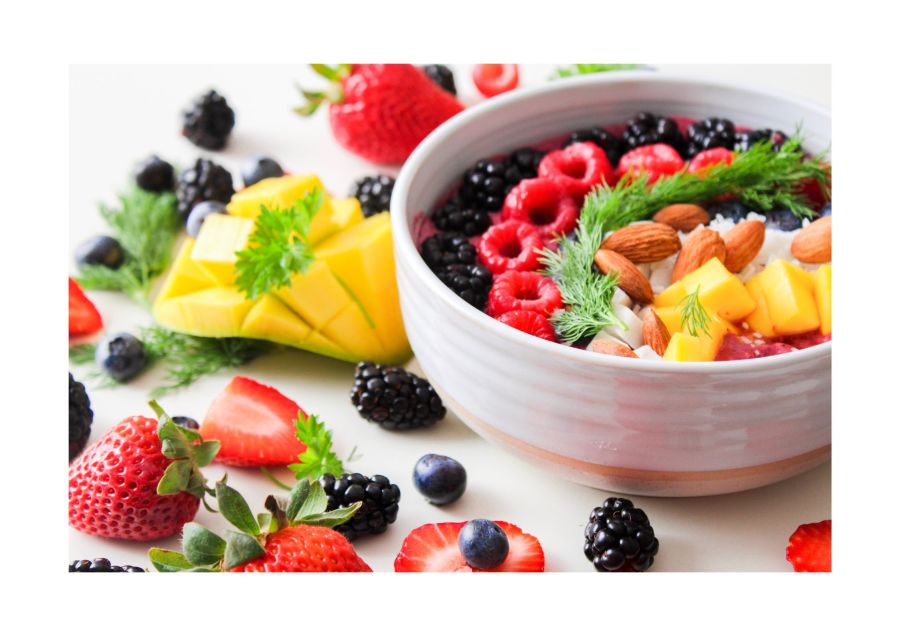
Drinking the recommended eight glasses of water per day can help skin be more supple and smooth. Avoid greasy foods and trans fats. Instead, eat a well-rounded diet full of whole foods. You can even have a look at Your gut & skincare: Foods good for oily skin.

4 Ways to prevent breakouts on oily skin. Capital Femme. How to prevent breakouts (acne)


These tips are just the beginning of getting closer to a better you starting with your skin. You can implement them one at a time into your routine and see what works for you.

Want to know what kind of products you should use to help lessen breakouts? Check outClean skincare products and why you should invest in them

References (click to view)

https://www.nhs.uk/conditions/acne/#:~:text=Avoid%20make%2Dup%2C%20skincare%20and,%2Dfree%20water%2Dbased%20emollient.

https://www.aad.org/public/diseases/acne/skin-care/tips

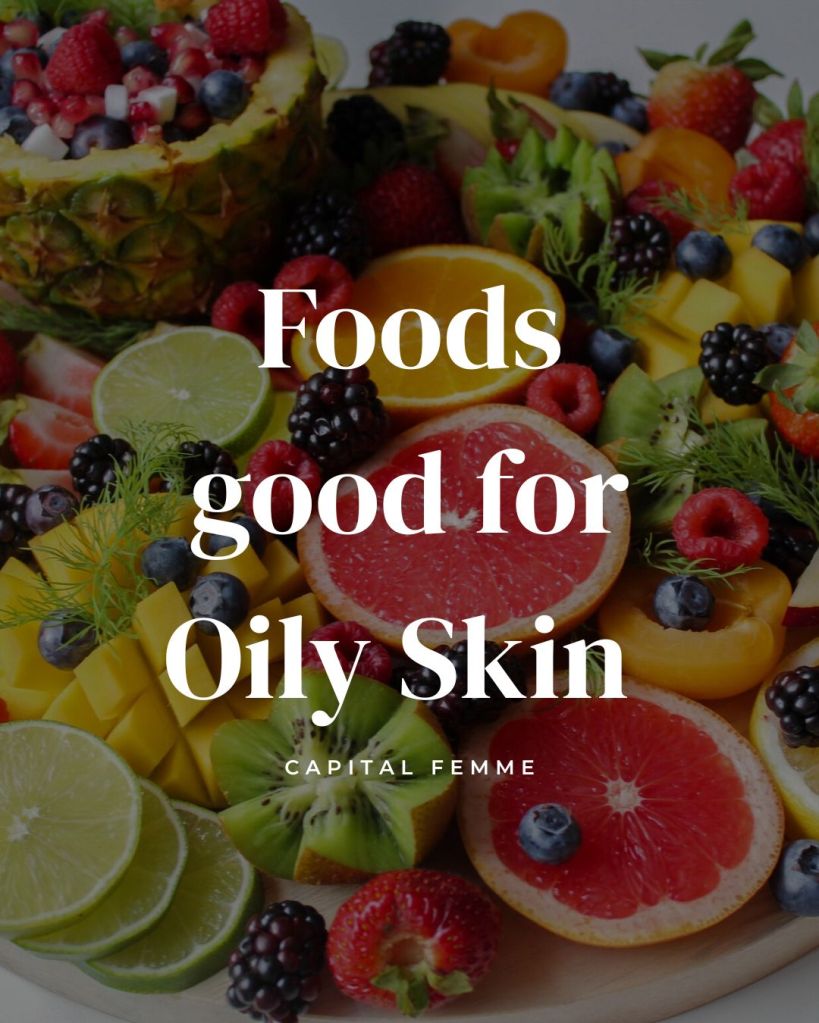
Your gut & skincare: Foods good for oily skin

Editor’s Note: This post has been updated as of July 2025. Capital Femme is now a space where skincare meets Scripture 💛

Between early showings, client lunches, and late-night emails, your body is doing a lot, and your skin often tells the story. Did you know that what you eat can affect your skin as much as what you apply?

Maybe your skin has left you feeling frustrated, embarrassed, or even discouraged. Those flare-ups can wear on your confidence. But here’s something to hold onto: even in this, you are fearfully and wonderfully made (Psalm 139:14), and caring for your body can be an act of worship.

As 1 Corinthians 10:31 reminds us, “So whether you eat or drink or whatever you do, do it all for the glory of God.” That means your food choices, your skincare, and even how you treat your body in hard seasons can reflect your faith and God’s love.

In this post, we’ll explore the link between gut health and glowing skin, offering faith-filled tips on foods that support both your well-being and your purpose in Christ.

Nourishing Foods for Oily Skin

Findings from some studies suggest that following a low-glycemic diet (referring to high sugar), may reduce the amount of acne you have. Low-glycemic foods include most fresh vegetables, some fresh fruits, beans, and oats. In contrast, a high-glycemic diet is one that includes foods and drinks that spike your blood sugar quickly. In the USA, 2258 patients were placed on a low-glycemic diet so that they could lose weight. This diet also reduced their acne, with 87% of patients saying they had less acne, and 91% saying they needed less acne medication.

Dealing with oily skin can be a challenge, but making mindful choices in your diet can significantly impact its condition. Incorporating the right foods can help balance oil production and promote a clearer complexion. Here are some nourishing foods that are beneficial for oily skin:

Omega-3 Rich Foods

  • Sardine: Packed with omega-3 fatty acids, sardine helps reduce inflammation and keep skin cells nourished, helping to control oil production.
  • Kidney beans: These are a good source of omega-3s, aiding in maintaining the skin’s moisture balance and supporting a healthy glow.
Foods good for oily skincare by Capital Femme. Christian faith rooted

Antioxidant-Packed Fruits and Vegetables

  • Tomatoes: They are loaded with antioxidants that can help control sebum production and protect the skin from environmental damage.
  • Leafy Greens: Lettuce, kale, and other leafy greens are rich in vitamins and minerals that promote clear, radiant skin while regulating oiliness.

Zinc-Containing Foods

  • Quinoa: High in zinc, quinoa helps control oil production and assist in the healing of blemishes and acne-prone skin.
  • Legumes: Foods like lentils and chickpeas are not only rich in zinc but also provide protein and fiber for overall skin health.

Hydration-Boosting Foods

  • Cucumber: With its high water content, cucumber helps hydrate your skin from within, balancing oil production and promoting a clear complexion.
  • Watermelon: Another hydrating fruit, can assist in flushing out toxins and keeping the skin supple and refreshed.

Some things to watch out for

You want to avoid processed foods. These are foods with added salt, sugar or fat. They include sausages, processed meats, chips, soda and more. You also want to reduce high glycemic foods like white bread, corn flakes, white rice, potato chips, doughnuts or other pastries.

If your skin hasn’t looked the way you hoped lately, don’t be hard on yourself. Healing is a process both physically and spiritually. Each step you take to nourish your gut and care for your skin can be a quiet, sacred moment of stewardship. Even small changes count.

In Closing

Incorporating these foods into your diet can complement your skincare routine and aid in managing oily skin. Remember, a balanced and varied diet, rich in essential nutrients, can play a significant role in promoting a healthy complexion. By nourishing your body with these skin-friendly foods, you can work towards achieving a more balanced and radiant complexion.

When you prioritize your wellness with faith at the center, it’s not vanity. It’s stewardship. What you put in your body matters just as much as what you put on it. So next time you prep your meals or sip your tea, remember: even this can be done for the glory of God.


Connect on Facebook

References (click to view)

https://www.healthline.com/nutrition/12-omega-3-rich-foods#6.-Sardines-(-1,463-mg-per-serving)

https://www.aad.org/public/diseases/acne/causes/diet#:~:text=Scientists%20believe%20that%20following%20a,oily%20substance%20in%20your%20skin.

3 Reasons to keep your oily skin moisturized

Editor’s Note: This post was written before our faith-centered refocus, but we still stand by the message. Capital Femme is now a space where skincare meets Scripture 💛

It’s a common misconception that oily skin doesn’t need to be moisturized regularly. In fact, this will produce the contrary effect and make your skin even more oily. Here are three reasons to keep your skin moisturized:

1. First, it helps to control oil (also called sebum) production – moisturizing your skin daily will help reduce oily appearance. It will also help to retain your skin’s natural moisture by drawing in moisture from deeper skin layers. It’s important to stay hydrated as well. 

2. Reduce the appearance of blemishes – A blemish is any visible mark or spot on the skin. Moisturizing daily will protect your skin from harsh climates and elements like dirt, dust and pollution which can clog pores leading to breakouts.

3. Boost collagen production – You can expect your skin to be softer and smoother which reduces the appearance of wrinkle and fine lines. 


Finally

A product I recommend for oily skin is Urban Hydration’s Aloe Vera Gel Moisturizer. It’s really good. Try to avoid oil-based products. Water-based products work well for oily skin. Keep in mind that things like cold weather, hot baths and harsh products can contribute to moisture loss from the skin. Your daily intake of water will work along with your moisturizer (especially those with hyaluronic acid) to keep your skin moisturized. I hope these reasons are enough to help you keep your skin moisturized consistently.