
Woman in white robe and towel wrap on hair putting a finger of skincare product on face.

4 Ways to prevent breakouts on oily skin

Editor’s Note: This post was originally published in October 6, 2022 but has been updated for freshness and accuracy. Capital Femme is now a space where skincare meets Scripture💛
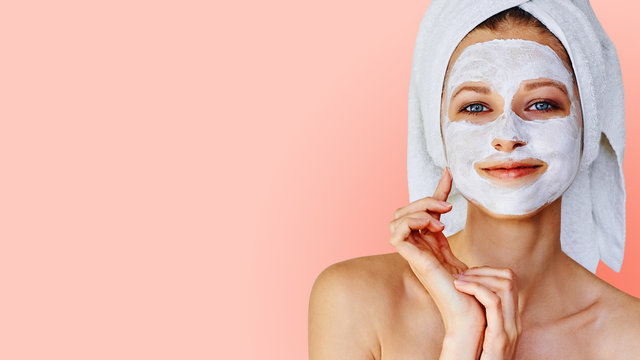
Pink background with a woman with a towel around her hair and index finger touching her skincare face mask. Preventing acne/breakouts on oily skin. Habits you should and shouldn't do. Clean skincare

Acne is closely linked to oily skin, with about 85% of people aged 15-25 experiencing acne. You can also get acne in your 30s and 40s.

Having a proper skincare routine starts with using the right products to cleanse.

Keeping your skin clean can be the elephant in the room when it comes to clear skin.

There are multiple causes that can worsen oily skin like stress, humidity and genetics. Some signs that you may have oily skin are a shiny appearance, clogged pores or blackheads and occasional or persistent pimples.

As 1 Corinthians 6:19-20 reminds us, our body is a temple and worthy of thoughtful care ✨.

With that said, here are 4 tips that can improve your skin’s health and prevent breakouts:

 1. Choose products that are oil-free and non-comedogenic.

Keep your skin clean by using a gentle foaming face wash. It’s a common belief that a strong cleanser needs to be used but this can irritate your skin and produce even more oil.

Using cleansers that are oil or alcohol-based can also irritate your skin. You should wash your face at least twice a day, in the morning and evening. In addition to that, don’t forget to wash your face after a workout.

2. Apply a clay mask.

A person with oily skin’s pores can become clogged when too much sebum is produced which can lead to acne and blackheads.

For cleansing beyond the surface of the skin and removing blackheads, a product that we’ve found works really well that you can try is Urban Hyrdation’s Pink Clay Facial Whipped Mud Mask.

Using this pink clay mask is gentle yet does an excellent job of absorbing oils and impurities to improve the appearance of the skin. This mask may be unavailable now, but using another good clay mask (with clean ingredients of course) is good for oily skin.

This treatment can be very effective as it clears congestion to minimize blackheads and hormonal breakouts.

3. Avoid touching your face throughout the day.

This can spread bacteria, oil and dirt from the hands to the face.

Also, be cautious about who and what you let touch your face. If you carry a rag or handkerchief, ensure that it’s washed and clean for use.

Only touch your face with clean hands when cleansing and applying products like moisturizer or makeup. Once I implemented this rule in my skincare routine I saw a drastic difference in my skin’s appearance.

4. Stay hydrated and watch what you eat.

Drinking the recommended eight glasses of water per day can help skin be more supple and smooth. Avoid greasy foods and trans fats. Instead, eat a well-rounded diet full of whole foods. You can even have a look at Your gut & skincare: Foods good for oily skin.
4 Ways to prevent breakouts on oily skin. Capital Femme. How to prevent breakouts (acne)


These tips are just the beginning of getting closer to a better you starting with your skin. You can implement them one at a time into your routine and see what works for you.

Want to know what kind of products you should use to help lessen breakouts? Check outClean skincare products and why you should invest in them

References (click to view)

https://www.nhs.uk/conditions/acne/#:~:text=Avoid%20make%2Dup%2C%20skincare%20and,%2Dfree%20water%2Dbased%20emollient.

https://www.aad.org/public/diseases/acne/skin-care/tips

how to prevent ingrown hairs - skincare and Scripture by Capital femme

4 Ways to treat and get rid of Ingrown Hairs

Editor’s Note: This post was written before our faith-centered refocus, but we still stand by the message. Capital Femme is now a space where skincare meets Scripture 💛

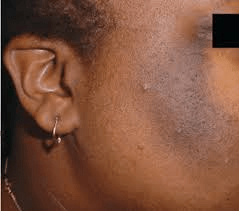
Ingrown hairs can be itchy and plain annoying. In case your wondering what that is. An ingrown hair is hair that grows beneath the skin instead of the surface of the skin.

If you have thick, curly or coarser hair then you’re more likely to get them after removing body hair. This can include hair from your armpits, bikini area, arms and legs. Here are 4 ways you can treat those unwanted ingrown hairs:

1. Apply warm compresses.

This will help lift the hair to the surface of your skin.

2. Exfoliate the area.

Sometimes there is a build-up of dead skin cells on the skin’s surface causing the hair to grow beneath the skin. You should be exfoliating your skin regularly according to your skin type. Also, continuously wearing tight clothing can cause friction and result in ingrowns.

3. Gently pull out the hair.

You can use tweezers to pull out the visible hair. Please don’t dig into your skin.

4. Stop hair removal until ingrown hair is removed.

Continuing hair removal over an ingrown hair can make it worse and take even longer to go away so be a little patient. If it gets uncomfortable/irritated (red, swollen) then it might be infected. You can use an antibiotic ointment to help clear the infection or hydrocortisone cream for any itchiness in the area.

I hope these tips helped you in some way. Remember that ingrown hairs can also be prevented based on your hair removal technique and with consistent aftercare.

3 Easy remedies for sunburn

Editor’s Note: This post was written before our faith-centered refocus, but we still stand by the message. Capital Femme is now a space where skincare meets Scripture 💛

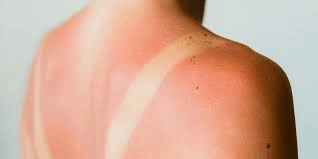
A sunburn is the result of too much exposure to Ultra Violet (UV) radiation from the sun or other UV light sources. It’s important to note that you can see sunlight and feel heat (infrared) radiation, but you cannot see or feel UV radiation causing damage to your skin.

Signs of sunburn

The symptoms of sunburn may not appear until a few hours after exposure to UV radiation. The signs of sunburn include:

  • Pain
  • Redness
  • Swelling
  • Fever
  • Chills
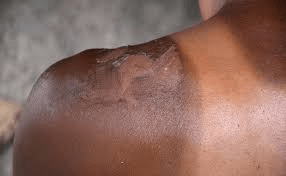
  • Blisters
  • Dry, itching or peeling of skin (usually days after the burn occurred)
  • Headache
  • Fatigue or weakness
  • Dehydration

Remedies

1. Take frequent cool showers or baths to help alleviate pain. You can also apply wet or cool compresses to the skin. You may also want to consider taking an ibuprofen or acetaminophen.

2. Apply aloe vera or a moisturizer containing aloe or soy. This can help soothe sunburn. You may also consider getting hydrocortisone cream for itchiness and discomfort.

3. Try to avoid the sun. Stay indoors or in the shade to avoid exposure to the sun while you heal. The sun is most intense from 10 AM to around 4 PM. Any additional exposure to the sun can make sunburn worse.

Prevention in the future

Wear broad-spectrum sunscreen (SPF 30).

Wearing sunglasses with UV protection.

Wear sun protective clothing like long sleeves and hats.

Avoid tanning beds and other sources of UV radiation.