Editor’s Note: This post was originally published May 27, 2022 but has been updated for freshness and accuracy💛
Hey there, real estate sister. If you’re new here, welcome!
A little about us?
This is more than just a website— it’s a space where faith and self-care come together to inspire and uplift you. You’ll get content that is easy to consume on the go and in line with your busy schedule as a working professional.
Here, you’ll find encouragement to embrace your God-given beauty and strength while nurturing your mind, body, and spirit.
Check out this post for a better understanding of our content.
Remember, you are fearfully and wonderfully made (Psalm 139:14), and we’re so glad you’re here to walk this journey with us.
Did you know that over 18 million adults in the U.S. took omega-3 supplements in 2020? That number reflects how many people are seeking ways to support their bodies from the inside out. If you’re someone who doesn’t eat fish often—or if it’s simply not a part of your diet—Omega-3 supplements might be a nourishing solution for you.
Omega-3s are found in many plant-based foods, including nuts, seeds, leafy greens, and oils. Some plant-based sources are Flaxseed, Chia seeds, Walnuts, Hemp seeds, Edamame, Seaweed, Soybean oil, Canola oil, Kidney beans, Brussel sprouts, Kiwifruit, Spinach and papaya.
Fish like Salmon, Mackerel, and Sardines are excellent sources of omega-3s.
Sometimes, life gets busy, and your diet doesn’t always give you everything your body needs. That’s where supplements can come in, not as a replacement, but as a helpful support in keeping yourself healthy.
Omega-3 supplements have become increasingly popular due to their numerous health benefits and essential role in maintaining overall well-being. As you continue growing in your journey of caring for yourself, it’s important to consider how and what you take in can support your physical, mental, and even spiritual well-being.
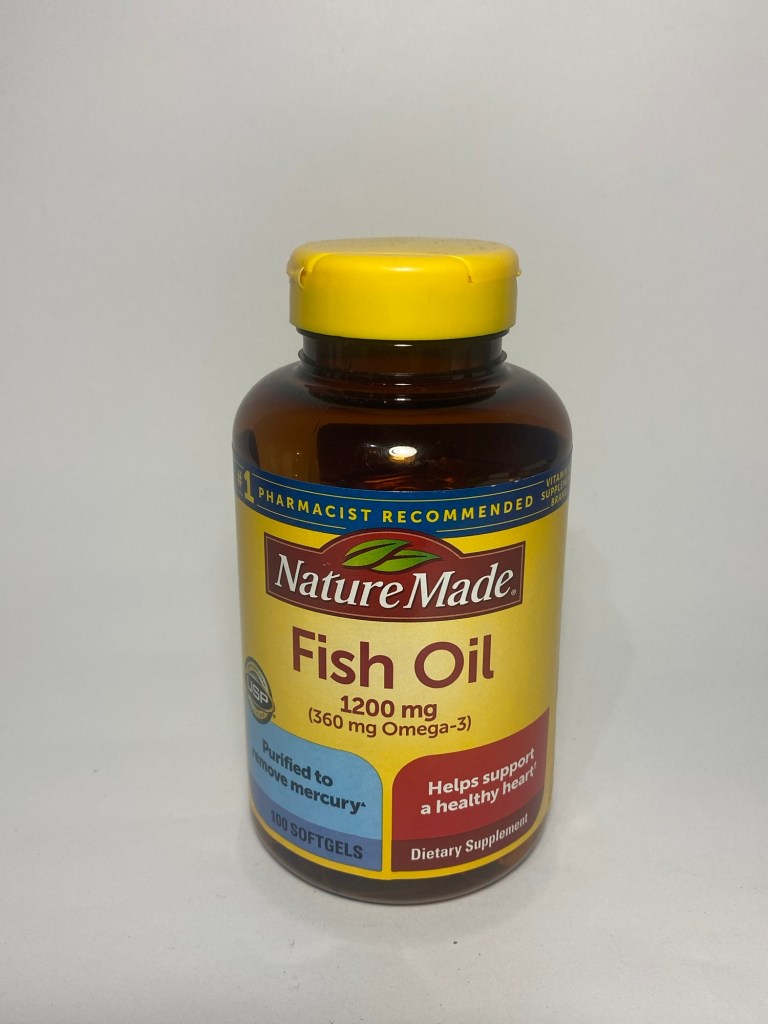
Here’s a review of what you need to know about these Nature Made Omega-3 supplements:
Benefits of Omega-3 Supplements
Cardiovascular Health
Omega-3 fatty acids are well-known for their heart health benefits. They help reduce triglyceride levels, lower blood pressure, and prevent the formation of blood clots, thus decreasing the risk of heart disease.
Anti-inflammatory Properties
These fatty acids have potent anti-inflammatory properties that can help manage chronic inflammatory conditions such as arthritis and reduce overall inflammation in the body.
Brain Health
Omega-3s, particularly DHA (docosahexaenoic acid), play a crucial role in brain function and development. They are essential for cognitive function and may help reduce the risk of neurodegenerative diseases.
Skin Health
Regular intake of Omega-3 supplements can lead to improved skin health by regulating oil production, enhancing hydration, reducing acne, and promoting the skin’s overall appearance and elasticity.
Mood and Mental Health
Omega-3 supplements have been linked to reduced symptoms of depression and anxiety. They play a role in brain chemistry and can improve overall mental health.
While Omega-3s are beneficial, taking them in high doses or on a diet already high in carbohydrates can lead to high blood sugar. To avoid this, you can take it every other day.
Some people may experience nausea (if taken on an empty stomach).
These Omega-3 supplements are from wild caught ocean fish, not farm raised fish. They have also been tested for quality and encapsulated in the USA. They’re also purified to remove mercury. There’s no color added, no artificial flavors and they’re gluten free.
Omega-3 supplements offer a wide range of health benefits, from supporting heart and brain health to improving skin and mental well-being. However, it’s important to choose high-quality supplements and be mindful of the appropriate dosage to avoid potential downsides. So before starting any new supplement, take a moment to pray, reflect, and consult with a trusted healthcare provider.
Scripture: 1 Corinthians 10:31 (NIV)
“So whether you eat or drink or whatever you do, do it all for the glory of God.”
This scripture reinforces that our bodies are temples of the Holy Spirit and so we must treat them with care. Always prioritize your self-care and that starts with Jehovah. Have a blessed day.
Real estate women, self-care isn’t just a trend; it’s a crucial component of overall wellness that includes emotional, mental, social, and spiritual health.
“In a national survey, Americans cited benefits of self-care as: enhanced self-confidence (64%), increased productivity (67%), happiness (71%).”
Practicing self-care involves prioritizing your needs, validating your goals, beliefs, and relationships, and ultimately, honoring your existence. When you give yourself that time to pamper yourself, you’ll be glad you did it.
This could look like applying your favourite moisturizer, taking a bath, going for a walk or reading the bible. Here’s how engaging in self-care can make you feel:
Emotional and Mental Well-being
Reduced Stress Levels: By taking the time to unwind and engage in activities that bring joy and relaxation, self-care can help lower stress levels and promote a sense of calm.
Increased Happiness: Nurturing relationships, spending time in nature, and engaging in activities that bring you joy can contribute to increased feelings of happiness and support.
Improved Self-esteem: Engaging in regular physical activity, practicing gratitude, and setting achievable goals can boost self-esteem and a sense of accomplishment.
Physical Health
Better Sleep Quality: Prioritizing sleep and creating a consistent sleep schedule can improve sleep hygiene, regulate mood, and increase energy levels. You can go from cranky and annoyed to relaxed and productive.
Healthy Habits: Prioritizing a balanced and nutritious diet, staying hydrated, and engaging in regular physical activity can contribute to overall well-being and increased energy.
Overall Well-being
Grounded and Calm: Spending time in nature, engaging in relaxation activities like applying your skincare products, and nurturing healthy relationships can foster a sense of grounding, calmness, and emotional balance.
Balanced Existence: Self-care validates your needs, allowing you to honor your goals, beliefs, and relationships, contributing to managing stress and increasing positive emotions. The less you stress, the less acne you’ll have.
Tips for including self-care in your routine
Incorporating self-care into your daily routine is essential for maintaining overall well-being. Here are some actionable tips to help you prioritize self-care in your everyday life:
Identify What Makes You Feel Centered
Start by listing activities that bring you joy, whether it’s a specific color, certain scents, or activities like reading or going for a walk.
Incorporate Joyful Activities into Your Daily Life
Brainstorm how you can infuse these activities into your routine, whether in the background or as a dedicated part of your day.
Make Time for Yourself
Dedicate at least 15-30 minutes each day for activities that bring you joy and relaxation.
Self-care includes making time to care for your skin. This can look like applying a face mask, doing some gua sha, eating more fruits or just simply moisturizing every time you cleanse. Practice positive self-talk and block out negative influences. Forming positive habits will make so much of a difference in how you feel.
In conclusion, self-care is not just about pampering oneself; it’s a daily holistic wellness practice that accounts for emotional, physical, mental, social, and spiritual health.
By engaging in self-care practices, you can experience reduced stress, improved sleep quality, increased happiness, and an overall sense of balance and well-being.
Embracing self-care can lead to a profound positive impact on one’s emotional, mental, and physical state, ultimately contributing to a healthier and more fulfilling life.
As you care for yourself holistically, remember:
“Do you know that your bodies are temples of the Holy Spirit, who is in you, whom you have received from God? You are not your own; you were bought at a price. Therefore honor God with your bodies.”
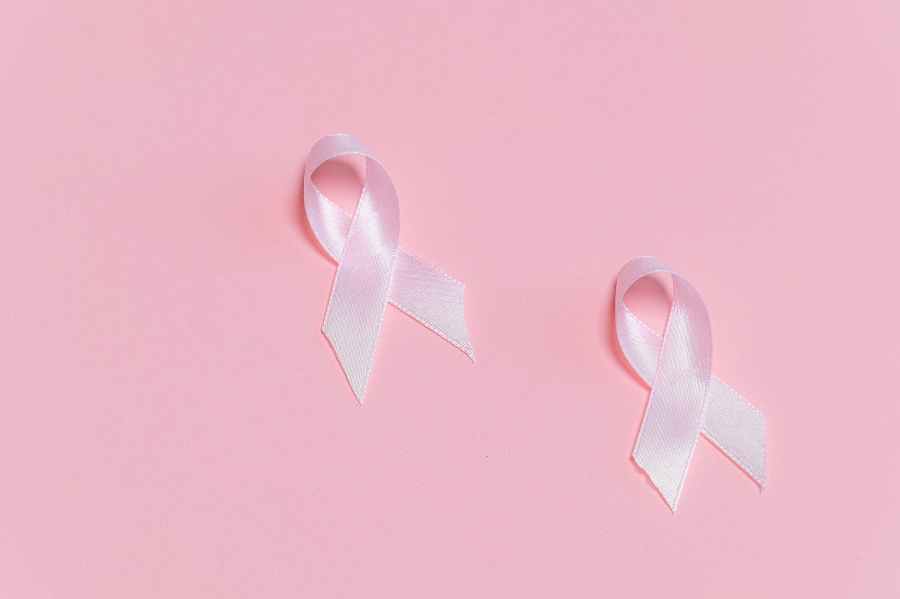
As you can probably tell from the title, October marks Breast Cancer Awareness Month where information and resources about Breast Cancer are shared. This helps to spread awareness and increase support within society.
Here are 5 Facts about Breast Cancer:
Males are affected by this disease. If you or someone you know has a male relative who had breast cancer they may be more likely to get it. Chances are increased if it’s an immediate relative like a father, brother or son.
Black women have a higher rate of death than all other women. According to the Centers for Disease Control and Prevention, each year in the United States about 240,000 cases are diagnosed in women and about 2100 in men.
Drinking several glasses of alcohol per day can increase your breast cancer risk. This is backed by research by the American Institute for Cancer Research and is recommended no more than one glass for women and two glasses for men a day.
Maintaining a healthy weight can reduce your risk. This is especially important for women over the age of 50 and after menopause. This includes having a diet filled with whole foods and plants such as fruits, vegetables, whole grains, beans or fish. Try to avoid sugary foods. Aim for at least 20 minutes of physical activity each day.
Regular mammograms are the best tests doctors have to find breast cancer early. A mammogram is essentially an X-ray picture of the breasts. Results from a mammogram can also identify if you have high or low density.