Hi, I’m on a mission to help people look at skincare through the lens of mindful wellness. Bringing a wellness-first approach to your daily skincare routine.
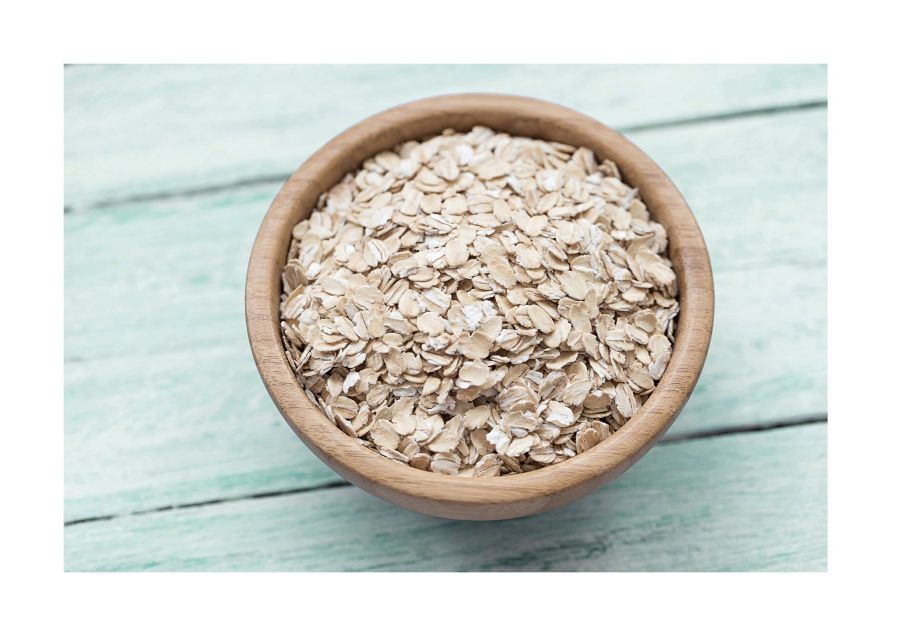
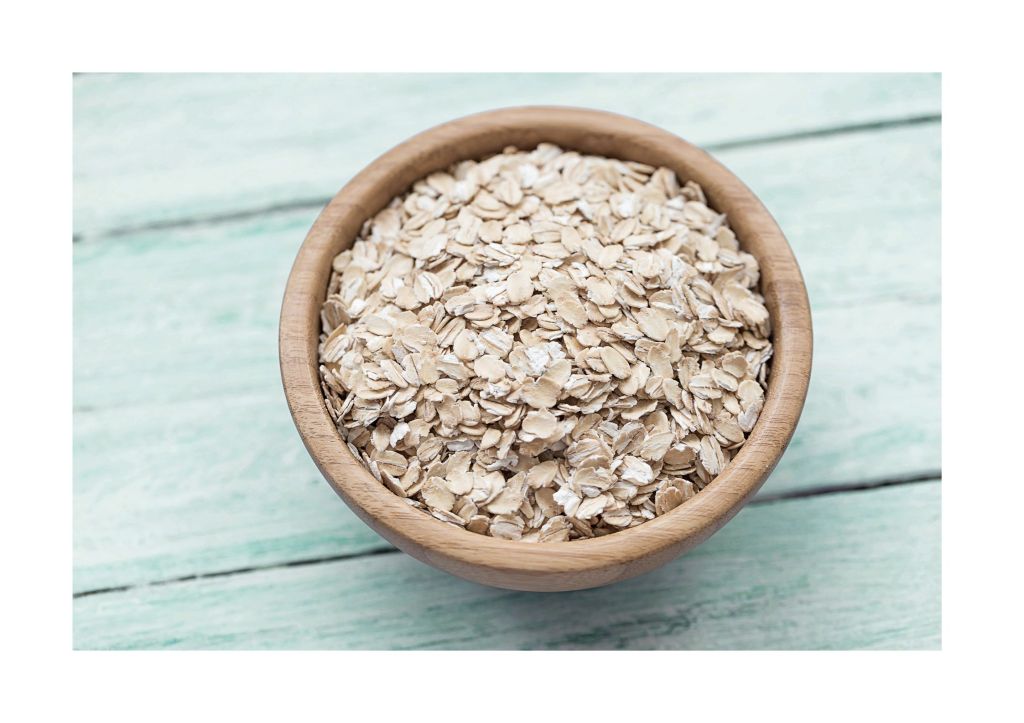
For centuries, oats (also known as Avena sativa) have long been cherished as a wholesome breakfast option, rich in healthy carbs, fiber, and an array of vital vitamins and nutrients. However, beyond their reputation as a breakfast item, oats are brimming with skin-nourishing properties that can work wonders for your skin.
Nutrient Powerhouse for Your Skin
Oats contain an abundance of antioxidants, magnesium, and zinc, which collectively contribute to the overall health and radiance of your skin. Protein content in oats ranges from 13 to 20%. The presence of polysaccharides, hydrocolloids, and fats forms a protective film over the skin, effectively locking in moisture and providing essential hydration.
Skincare Benefits of Oats
Soothing and Protecting: Oats are hailed for their anti-inflammatory properties, making them effective in soothing issues like acne and itchy skin. It also restores the skin’s pH balance for enhanced protection and moisture retention.
Cleansing and Exfoliating: With natural cleansing properties, oats can effectively clear out dirt, detoxify pores, and gently exfoliate the skin, leaving it refreshed and revitalized.
Hydrating and Moisturizing: Oats, rich in polysaccharides, hydrocolloids, and fats, form a protective film over the skin, locking in moisture and providing hydration, which is particularly beneficial for sensitive and dry skin.
Incorporating oats into your diet not only nourishes your body but also offers remarkable benefits for your skin. Whether you have oily, dry, normal, or sensitive skin, the extraordinary benefits of oats and oat ingredients are undeniable, making them a valuable addition to your skincare regimen.
So, next time you enjoy a warm bowl of oatmeal, remember that oats are not only nutritious for your body but also offer remarkable benefits for your skin.
Between early showings, client lunches, and late-night emails, your body is doing a lot, and your skin often tells the story. Did you know that what you eat can affect your skin as much as what you apply?
Maybe your skin has left you feeling frustrated, embarrassed, or even discouraged. Those flare-ups can wear on your confidence. But here’s something to hold onto: even in this, you are fearfully and wonderfully made (Psalm 139:14), and caring for your body can be an act of worship.
As 1 Corinthians 10:31 reminds us, “So whether you eat or drink or whatever you do, do it all for the glory of God.” That means your food choices, your skincare, and even how you treat your body in hard seasons can reflect your faith and God’s love.
In this post, we’ll explore the link between gut health and glowing skin, offering faith-filled tips on foods that support both your well-being and your purpose in Christ.
Nourishing Foods for Oily Skin
Findings from some studies suggest that following a low-glycemic diet (referring to high sugar), may reduce the amount of acne you have. Low-glycemic foods include most fresh vegetables, some fresh fruits, beans, and oats. In contrast, a high-glycemic diet is one that includes foods and drinks that spike your blood sugar quickly. In the USA, 2258 patients were placed on a low-glycemic diet so that they could lose weight. This diet also reduced their acne, with 87% of patients saying they had less acne, and 91% saying they needed less acne medication.
Dealing with oily skin can be a challenge, but making mindful choices in your diet can significantly impact its condition. Incorporating the right foods can help balance oil production and promote a clearer complexion. Here are some nourishing foods that are beneficial for oily skin:
Omega-3 Rich Foods
Sardine: Packed with omega-3 fatty acids, sardine helps reduce inflammation and keep skin cells nourished, helping to control oil production.
Kidney beans: These are a good source of omega-3s, aiding in maintaining the skin’s moisture balance and supporting a healthy glow.
Antioxidant-Packed Fruits and Vegetables
Tomatoes: They are loaded with antioxidants that can help control sebum production and protect the skin from environmental damage.
Leafy Greens: Lettuce, kale, and other leafy greens are rich in vitamins and minerals that promote clear, radiant skin while regulating oiliness.
Zinc-Containing Foods
Quinoa: High in zinc, quinoa helps control oil production and assist in the healing of blemishes and acne-prone skin.
Legumes: Foods like lentils and chickpeas are not only rich in zinc but also provide protein and fiber for overall skin health.
Hydration-Boosting Foods
Cucumber: With its high water content, cucumber helps hydrate your skin from within, balancing oil production and promoting a clear complexion.
Watermelon: Another hydrating fruit, can assist in flushing out toxins and keeping the skin supple and refreshed.
Some things to watch out for
You want to avoid processed foods. These are foods with added salt, sugar or fat. They include sausages, processed meats, chips, soda and more. You also want to reduce high glycemic foods like white bread, corn flakes, white rice, potato chips, doughnuts or other pastries.
If your skin hasn’t looked the way you hoped lately, don’t be hard on yourself. Healing is a process both physically and spiritually. Each step you take to nourish your gut and care for your skin can be a quiet, sacred moment of stewardship. Even small changes count.
In Closing
Incorporating these foods into your diet can complement your skincare routine and aid in managing oily skin. Remember, a balanced and varied diet, rich in essential nutrients, can play a significant role in promoting a healthy complexion. By nourishing your body with these skin-friendly foods, you can work towards achieving a more balanced and radiant complexion.
When you prioritize your wellness with faith at the center, it’s not vanity. It’s stewardship. What you put in your body matters just as much as what you put on it. So next time you prep your meals or sip your tea, remember: even this can be done for the glory of God.
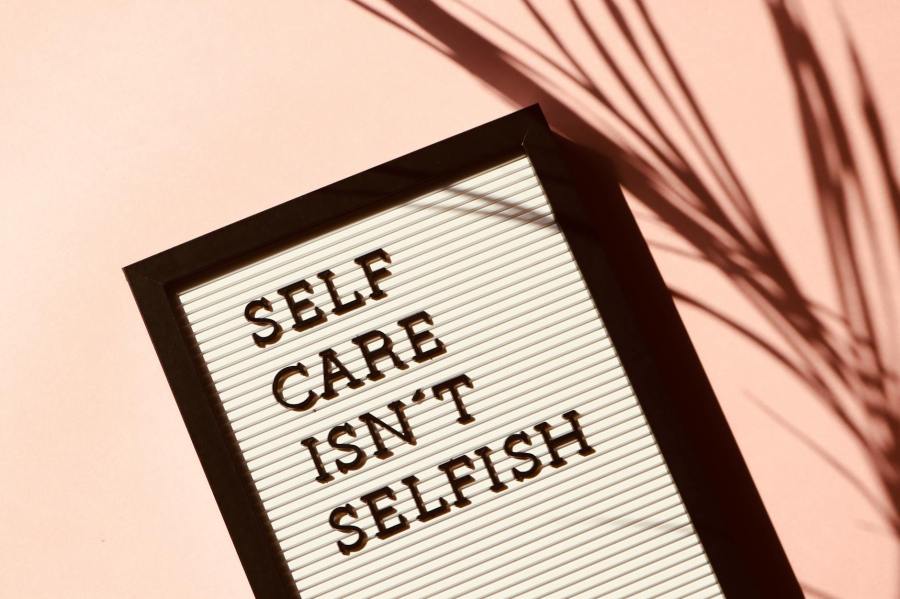
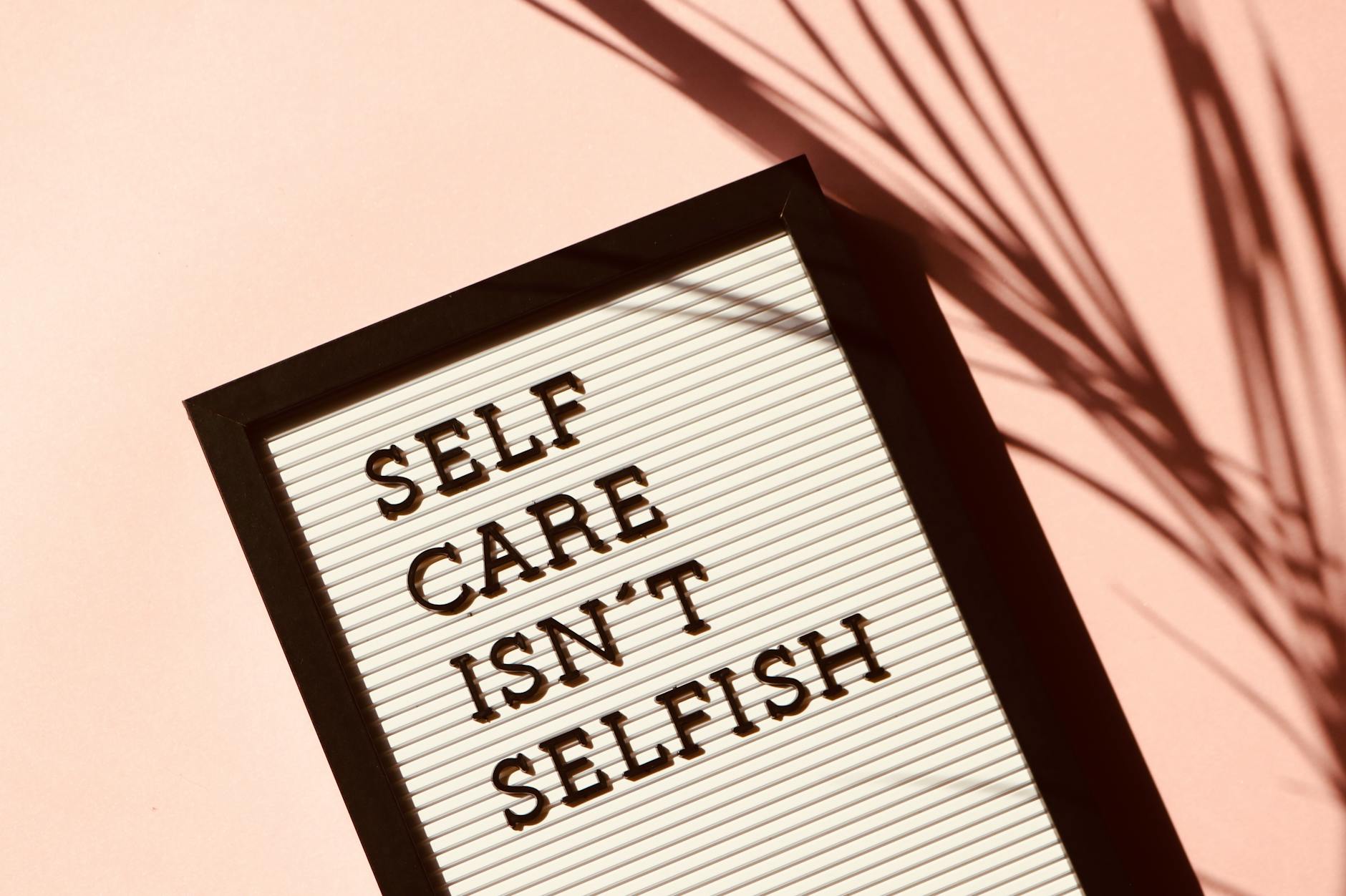
Real estate women, self-care isn’t just a trend. It’s a crucial aspect of overall wellness that includes emotional, mental, social, and spiritual health.
“In a national survey, Americans cited benefits of self-care as: enhanced self-confidence (64%), increased productivity (67%), happiness (71%).”
Practicing self-care involves prioritizing your needs, validating your goals, beliefs, and relationships, and ultimately, honoring your existence. When you give yourself that time to pamper yourself, you’ll be glad you did it.
This could look like applying your favourite moisturizer, taking a bath, going for a walk or reading the bible. Here’s how engaging in self-care can make you feel:
Emotional and Mental Well-being
Reduced Stress Levels: By taking the time to unwind and engage in activities that bring joy and relaxation, self-care can help lower stress levels and promote a sense of calm.
Increased Happiness: Nurturing relationships, spending time in nature, and engaging in activities that bring you joy can contribute to increased feelings of happiness and support.
Improved Self-esteem: Engaging in regular physical activity, practicing gratitude, and setting achievable goals can boost self-esteem and a sense of accomplishment.
Physical Health
Better Sleep Quality: Prioritizing sleep and creating a consistent sleep schedule can improve sleep hygiene, regulate mood, and increase energy levels. You can go from cranky and annoyed to relaxed and productive.
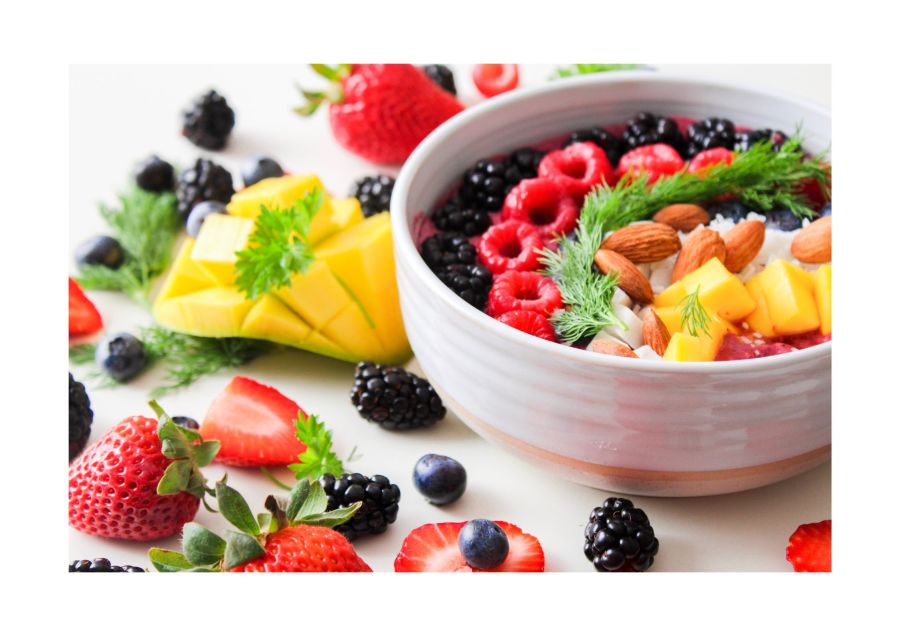
Healthy Habits: Prioritizing a balanced and nutritious diet, staying hydrated, and engaging in regular physical activity can contribute to overall well-being and increased energy.
Overall Well-being
Grounded and Calm: Spending time in nature, engaging in relaxation activities like applying your skincare products, and nurturing healthy relationships can foster a sense of grounding, calmness, and emotional balance.
Balanced Existence: Self-care validates your needs, allowing you to honor your goals, beliefs, and relationships, contributing to managing stress and increasing positive emotions. The less you stress, the less acne you’ll have.
Tips for including self-care in your routine
Incorporating self-care into your daily routine is essential for maintaining overall well-being. Here are some actionable tips to help you prioritize self-care in your everyday life:
Identify What Makes You Feel Centered
Start by listing activities that bring you joy, whether it’s a specific color, certain scents, or activities like reading or going for a walk.
Incorporate Joyful Activities into Your Daily Life
Brainstorm how you can infuse these activities into your routine, whether in the background or as a dedicated part of your day.
Make Time for Yourself
Dedicate at least 15-30 minutes each day for activities that bring you joy and relaxation.
Self-care includes making time to care for your skin. This can look like applying a face mask, doing some gua sha, eating more fruits or just simply moisturizing every time you cleanse. Practice positive self-talk and block out negative influences. Forming positive habits will make so much of a difference in how you feel.
In conclusion, self-care is not just about pampering oneself; it’s a daily holistic wellness practice that accounts for emotional, physical, mental, social, and spiritual health.
By engaging in self-care practices, you can experience reduced stress, improved sleep quality, increased happiness, and an overall sense of balance and well-being.
Embracing self-care can lead to a profound positive impact on one’s emotional, mental, and physical state, ultimately contributing to a healthier and more fulfilling life.
As you care for yourself holistically, remember:
“Do you know that your bodies are temples of the Holy Spirit, who is in you, whom you have received from God? You are not your own; you were bought at a price. Therefore honor God with your bodies.”
Sustainable beauty products have been gaining traction in the cosmetics industry, and for all the right reasons. According to this study, 9 out of 10 shoppers believe sustainability is an important factor to consider before buying a beauty product.
You might be wondering what are sustainable products?
Sustainable beauty products are those that are created with minimal impact on the environment, from sourcing raw materials to production and packaging. These products often utilize natural, organic, and responsibly sourced ingredients, and are free from harmful chemicals.
The Benefits of Choosing Sustainable Beauty
Environmentally Friendly: By opting for sustainable beauty products, consumers contribute to reducing the environmental impact of the beauty industry, such as deforestation, water pollution, and excessive waste.
Healthier Formulations: Many sustainable beauty brands prioritize natural and organic ingredients, avoiding potentially harmful chemicals, making them gentler on the skin and body.
Ethical Practices: Sustainable beauty brands often embrace fair trade and ethical sourcing practices, supporting local communities and small-scale producers.
Innovation and Quality: The focus on sustainability often drives innovation, resulting in high-quality, effective products that are not only good for the environment but also deliver excellent results.
A disadvantage of sustainable products is that they may have a shorter shelf life.
How to Identify Sustainable Beauty Products
When looking for sustainable beauty products, keep an eye out for the following characteristics:
Certified organic or natural ingredients
Cruelty-free and vegan certifications
Recyclable or biodegradable packaging
Minimal use of synthetic chemicals and preservatives
By supporting sustainable beauty brands, you not only take care of your own well-being but also contribute to the preservation of the planet. It’s a small yet impactful way to make a difference, one beauty product at a time.
“Globally around 500,000 animals suffer and die just for cosmetics each year”- Humane Society International. In the beauty industry animal testing is when brands use their products on animals and observe their reactions. It sounds harmless right? It actually isn’t.
In this process they shave their fur, rub the product/ingredients into their exposed skin, inject them, put it in their eyes and force them to ingest it through their mouths. After which the animals are usually killed and dissected. Some of these animals include mice, rabbits, guinea pigs, baboons, cats, cows, dogs, ferrets, pigs, hamsters and more. This is where cruelty-free brands and products come in.
Cruelty-free on a product means that it was not tested on animals. Cruelty Free International offers Leaping Bunny certification for beauty companies which is internationally recognized.
This post is to spread awareness about animal cruelty.
Testing beauty products on animals is banned in the European Union (EU), United Kingdom, Colombia, Guatemala, South Korea amongst others. Twelve US states have banned the sale of products tested on animals. They are California, Hawaii, Illinois, Louisiana, Maine, Maryland, Nevada, New Jersey, New York, Oregon, Virginia and Washington.
On the other hand, they are better alternatives to animal testing like taking human cells, tissue or bacteria and testing it in a tube. Another is using advanced computer technology.
Normally most cruelty-free brands are also natural or vegan. This makes businesses of all sizes willing and able to test their products on themselves or others involved in their process. Some brands to try are Urban Hydration, Good Molecules and Bliss.
Join the movement and support cruelty-free brands 🐰 to help ban animal testing worldwide.
Sunscreen is an important part of any skincare routine. It’s for all skin. This month, May is skin cancer awareness month. It’s recommended by experts that you should be using a broad spectrum formula, which protects you from both UVA and UVB rays with at least SPF 30. Did you know that on cloudy days up to 80% or more of UV (Ultra Violet) rays penetrate clouds? “An estimated 80 percent of skin aging is caused by the sun” – Skin Cancer Foundation.
Here are 5 Uses of Sunscreen:
It lowers your risk of skin cancer.
Prevents premature aging.
Enhances skin health.
Prevents sunburn.
Reduces dark spots (hyperpigmentation).
Tips for choosing a sunscreen
Choose a sunscreen that is reef- safe
Opt for a mineral sunscreen
Go for a sunscreen that won’t give you a white cast especially if you have darker skin. One you can try is Coppertone Every Tone.
These sunscreens usually avoid harmful ingredients such as oxybenzone, octinoxate, Para-aminobenzoic acid (PABA) and pthalates. Mineral-based sunscreens are normally based in the ingredients titanium oxide and mineral oxide.