Hi, I’m on a mission to help people look at skincare through the lens of mindful wellness. Bringing a wellness-first approach to your daily skincare routine.
Today marks a special day for all women where we celebrate who we are and how far we have come. Remind yourself of all the reasons that make being a woman special and unique. Acknowledge and be grateful for the women in your life who have made it better or made a positive impact.
It’s a common misconception that oily skin doesn’t need to be moisturized regularly. In fact, this will produce the contrary effect and make your skin even more oily. Here are three reasons to keep your skin moisturized:
1. First, it helps to control oil (also called sebum) production – moisturizing your skin daily will help reduce oily appearance. It will also help to retain your skin’s natural moisture by drawing in moisture from deeper skin layers. It’s important to stay hydrated as well.
2. Reduce the appearance of blemishes – A blemish is any visible mark or spot on the skin. Moisturizing daily will protect your skin from harsh climates and elements like dirt, dust and pollution which can clog pores leading to breakouts.
3. Boost collagen production – You can expect your skin to be softer and smoother which reduces the appearance of wrinkle and fine lines.
Finally
A product I recommend for oily skin is Urban Hydration’s Aloe Vera Gel Moisturizer. It’s really good. Try to avoid oil-based products. Water-based products work well for oily skin. Keep in mind that things like cold weather, hot baths and harsh products can contribute to moisture loss from the skin. Your daily intake of water will work along with your moisturizer (especially those with hyaluronic acid) to keep your skin moisturized. I hope these reasons are enough to help you keep your skin moisturized consistently.
Aloe Vera, in Jamaica it is also known as Sinkle bible. It is usually grown in tropical, semi- tropical zones but can be found all over the world. It thrives in warm, dry climates. This plant has many purposes, especially for skincare. Let’s look at a few of them.
Skincare benefits
It has antibacterial and antioxidant properties that can be used to treat numerous skin conditions. This plant has healing powers and can help treat cuts, scrapes minor burns including sunburn and minor wounds.
Due to its anti-bacterial properties, it helps manage excessive acne. It is also anti-inflammatory and soothes redness, flare-ups, irritation and promotes healing of acne scars.
The antioxidants found in Aloe help fight free radicals. Free radicals are unstable atoms that can damage cells, causing illness and aging.
Some of its additional benefits are moisturizing oily and dry skin, soothing inflammation, frostbite, cold sores, eczema and psoriasis.
For oily skin, aloe vera works because it has high water content which hydrates the skin and is a non-greasy moisturizer. Aloe vera can also be used as a toner as it is gentle enough that it won’t dry out your skin while helping to control oil production.
This plant is also known to help with wrinkles by increasing collagen production and improving skin elasticity.
The most potent form of the plant is the gel, you can use Over-the-counter aloe gel or you can use it directly from the plant.
Digestive benefits
When consumed aloe vera can be used to reduce:
Dental plaque – It can be used as an alternative to chemical mouthwash and can provide relief from bleeding or swollen gums.
Constipation – laxatives within the plant may help relieve constipation.
Blood sugar levels – consuming aloe vera can help persons with prediabetes and type 2 diabetes.
Aloe vera is a rich source of:
Vitamin A
Vitamin E
Vitamin C
Beta-carotene
Calcium
Folic Acid
Magnesium
Precautions
It may soothe sunburn but is not a replacement for sunscreen. So please use your sun protection. You can be sensitive to aloe vera and should try a small patch test on somewhere like your forearm. If you experience any adverse reaction stop using it. Try not to use this plant too frequently.
Finally
Aloe vera is a succulent plant packed with many benefits including skin care, digestion and nutrition. There are studies and data available that back these claims. However, you should be cautious of how much aloe you consume. This natural resource is truly extraordinary and with care can be great for your health.
Have you heard of the term beauty sleep? Getting enough rest should be a part of your skincare routine. It is recommended that people between the ages of 18 – 60 should get at least 7 hours of sleep to benefit the most. This is especially important if you want to lessen the appearance of dark circles. Dark circles are the most common sign of sleep deprivation. Yes, I’m aware that dark circles can be inherited but not getting your beauty rest can make them worse.
You can expect these benefits when you prioritize your sleep:
1. Restores balance to your skin’shydration
When we sleep your body’s hydration rebalances. It uses what it needs and removes the rest. So getting less sleep can cause puffy eye bags.
2. Lessens pre-mature aging
Wrinkles and sagging occur due to dehydration when we lack sleep. So getting adequate sleep improves your skin’s elasticity by producing collagen when you sleep.
3. Controls stress hormones
Lack of sleep increases stress hormones that can cause inflammation of the skin and worsen acne problems.
4. Gives a glowing complexion
Blood circulation to the skin is increased while we sleep. Wake up with a healthy glow after getting a full night’s rest.
You can even expect your skin to absorb your skincare products better! This happens due to the increased blood circulation and the skin repairing itself when you are asleep. Quality sleep will make you more productive throughout the day and put you in a better mood. I don’t know about you but I for one tend to be a little cranky if I don’t get enough rest. Do yourself a solid, unplug 🔌 and prioritize your sleep💤.
Seeing that this is the first post of 2024. In proper fashion, I want to wish all of my readers a Blessed New Year.
Now back to today’s topic.
Niacinamide is a popular skincare ingredient these days. You may have come across it on your Instagram or Tiktok. If you’re unfamiliar with it, niacinamide is another name for vitamin B3. It works for all ages and skin types. In today’s post, we’ll focus on its topical use.
Topical niacinamide-containing products will have more direct benefits for the skin.
It can be used for many different skin concerns, some of which are addressed below.
Here are some of its benefits:
Helps with hydration
Niacinamide can improve skin hydration by preventing evaporation of moisture from the skin into the environment. It also may improve the skin’s barrier function by locking in moisture and keeping pollutants out.
Brightens skin
This ingredient is known to brighten skin tone, reduce hyperpigmentation by treating dark spots and improve skin texture.
Control oil production
Niacinamide helps to regulate the amount of oil produced by the oil glands. This helps to prevent breakouts and treat acne. It can also reduce the appearance of the pores by keeping the skin smooth and clear. Now when it comes to oily skin, this ingredient is a game changer. This is what in my opinion set it apart from vitamin C.
Soothe inflammation
It’s also an anti-inflammatory ingredient, so it’s great for calming irritated skin. Niacinamide can calm redness caused by breakouts (acne), eczema and rosacea. This makes it an ingredient which can be a good fit for those with sensitive skin.
Reduce signs of aging
Using niacinamide topically can boost collagen production to smooth wrinkles and fine lines. Its antioxidant properties may also help to protect your skin from damage due to aging.
How much is safe?
It’s recommended to use products with 5% or less when choosing products with niacinamide. Anything over that may cause irritation so it’s important to read the label of a product you are considering.
You can also do a patch test. Apply a small amount of the product to a small patch of skin and wait 24 hours to see if your skin agrees with the product.
Choosing products
Niacinamide is commonly found in sunscreens, cleansers, serums or moisturizers. It’s gentle enough to be used twice a day and works best when used in products that are left on the skin (like serums and moisturizers). Also, remember to read the instructions on the product.
For maximum results, this ingredient can also be paired with others like hyaluronic acid, vitamin C, retinol and AHAs such as glycolic acid.
In conclusion, niacinamide can be a gentle yet effective ingredient in your skincare routine and could be the boost your skin needs.
Now if you have never really had a set skincare routine, specifically for your face, that is and would like to learn where to start.
Then this post is for you.
Let me start by saying I get that online many sources are claiming that you need to have a 10-step skincare routine. All you need, especially as a beginner are three products: cleanser, moisturizer and sunscreen. This is a simple yet powerful trio.
Your skin type will determine what kind of product you’ll buy. If you’re not sure what your skin type is.
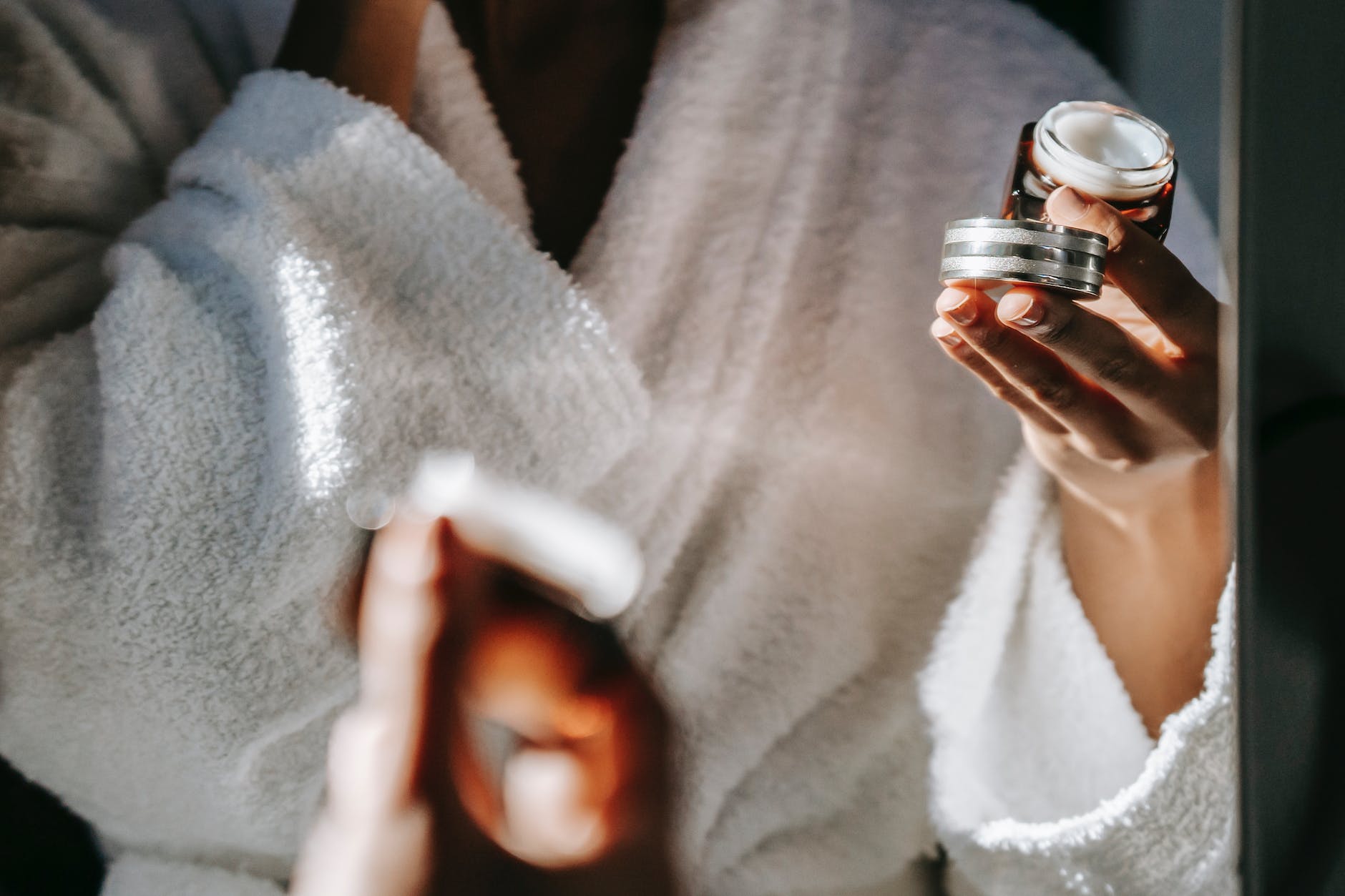
Next, no matter what your skin type is, you need to moisturize. This helps reduce your chances of developing skin problems like acne and premature signs of aging (such as wrinkles). Urban Hydration’s Aloe Vera Daily Gel Moisturizer is a good one. Here’s a moisturizer that, in my opinion, is pretty universal. Read the full review of this product here.
Lastly, a sunscreen with SPF 30 or more, now this step is especially important if you use a cleanser containing acid because it can increase your skin’s sensitivity to the sun.
If you know you’ll be outdoors and exposed to the sun, you should apply sunscreen daily in the mornings. I like products that are good for my skin and the environment, so you can try Coppertone’s Everytone SPF 50 sunscreen. It’s non-comedogenic and water-resistant. Check out the full review here.
Now as you go along and have specific skin issues that you believe this trio aren’t solving then you can consider adding other products to your routine.
In conclusion, as a complete beginner, you only need three products in your skincare routine: cleanser, moisturizer and sunscreen. In this post, we included one of each of the three you can try. Hope this was helpful.