A sunburn is the result of too much exposure to Ultra Violet (UV) radiation from the sun or other UV light sources. It’s important to note that you can see sunlight and feel heat (infrared) radiation, but you cannot see or feel UV radiation causing damage to your skin.
Signs of sunburn
The symptoms of sunburn may not appear until a few hours after exposure to UV radiation. The signs of sunburn include:
Pain
Redness
Swelling
Fever
Chills
Blisters
Dry, itching or peeling of skin (usually days after the burn occurred)
Headache
Fatigue or weakness
Dehydration
Remedies
1. Take frequent cool showers or baths to help alleviate pain. You can also apply wet or cool compresses to the skin. You may also want to consider taking an ibuprofen or acetaminophen.
2. Apply aloe vera or a moisturizer containing aloe or soy. This can help soothe sunburn. You may also consider getting hydrocortisone cream for itchiness and discomfort.
3. Try to avoid the sun. Stay indoors or in the shade to avoid exposure to the sun while you heal. The sun is most intense from 10 AM to around 4 PM. Any additional exposure to the sun can make sunburn worse.
Prevention in the future
Wear broad-spectrum sunscreen (SPF 30).
Wearing sunglasses with UV protection.
Wear sun protective clothing like long sleeves and hats.
Avoid tanning beds and other sources of UV radiation.
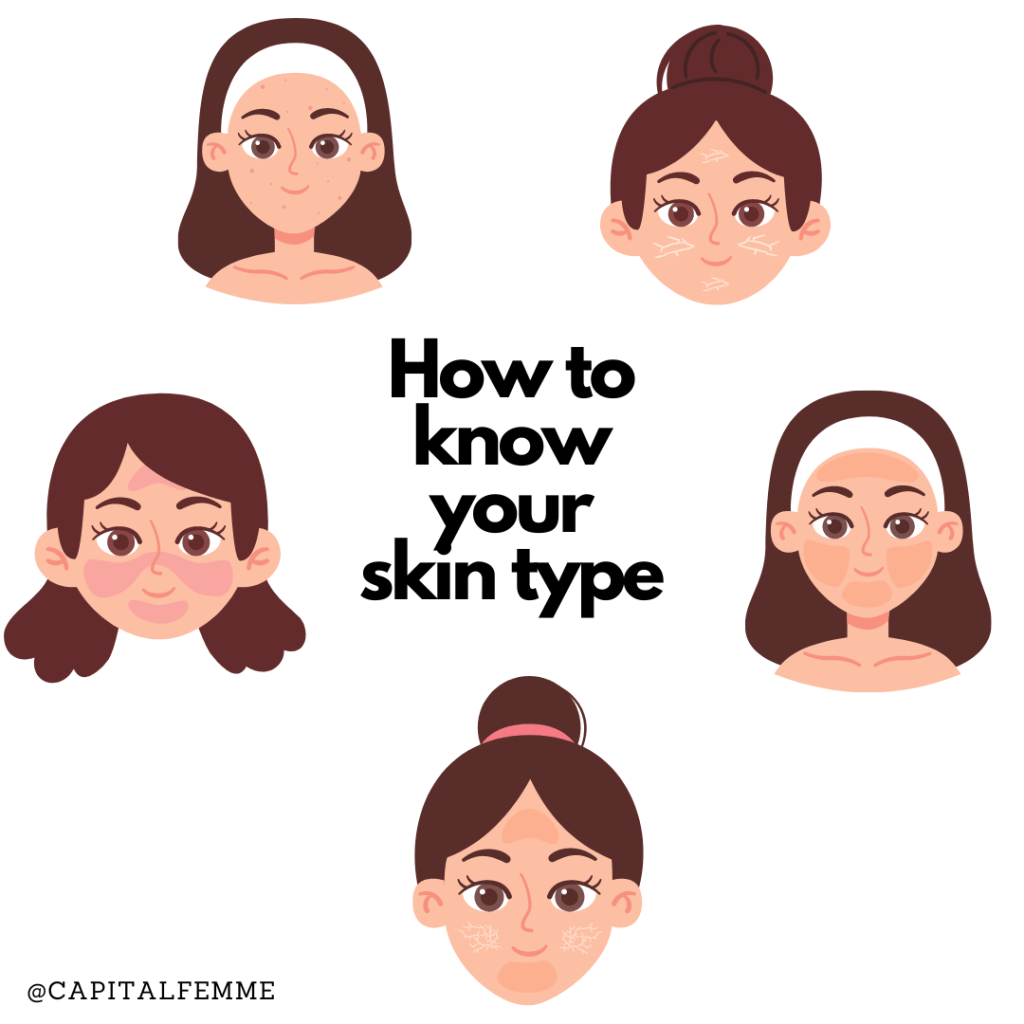
Have you ever bought a product that has worked for a friend but not for you? Are you choosing products that are right for your skin type? There are five main skin types, they are normal, oily, dry, combination and sensitive. Your skin type is largely dependent on your genetics and hormones.
Knowing your skin type is important because it gives you a better understanding of what your skin needs. Instead of just getting a product because you saw someone else using it or simply because it has great reviews, just to be disappointed that it doesn’t work for you. You should know what skin type the product was made for. So knowing your skin type really helps you choose the right products for it. The characteristics that define the five main skin types are:
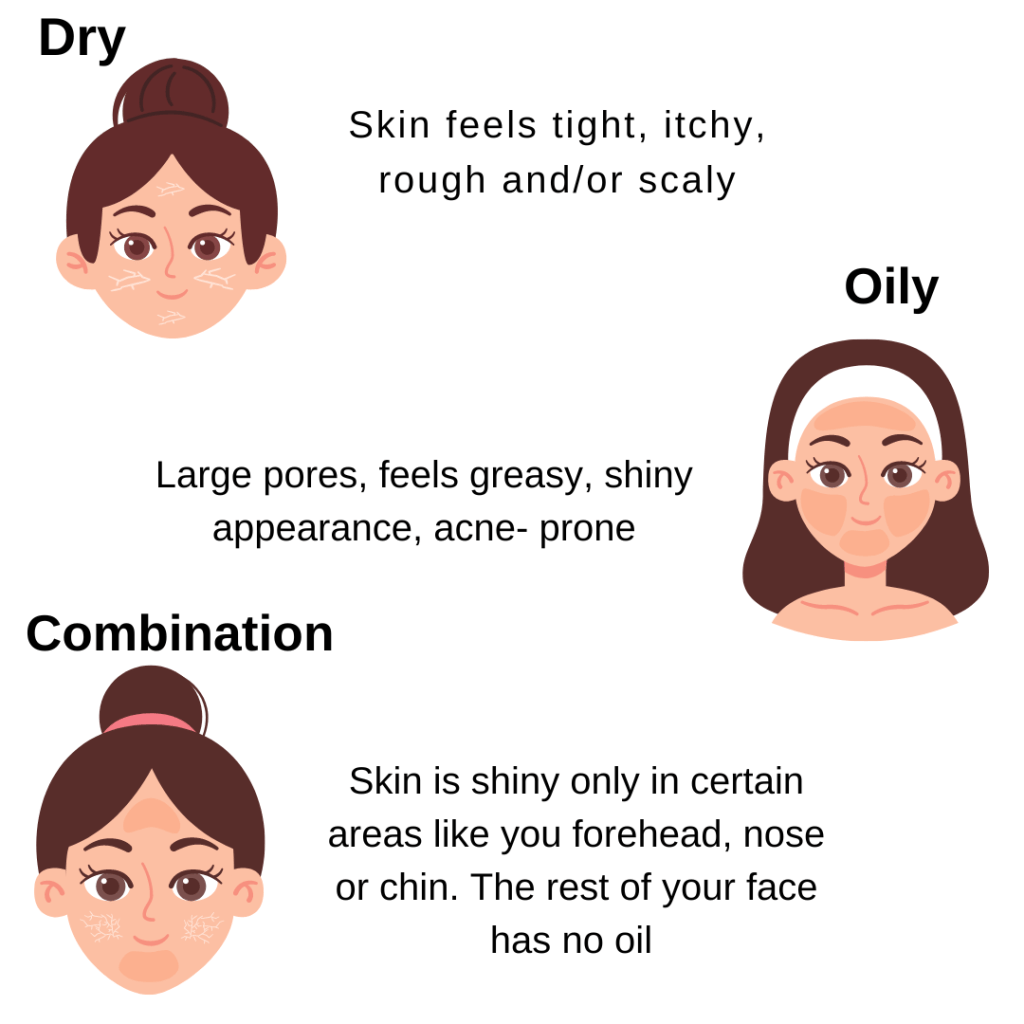
3 Easy ways to tell are:
First, is the blotting paper method. Get some quality blotting paper and pat (not swipe) each area of your bare face. For example, you could start with your cheeks. Check what comes off of each area by holding up the paper to the light to see if there is any oil. If you see oil for all areas you most likely have oily skin versus no oil then you have dry skin. If you notice only certain areas, for example, your T-zone (forehead, chin and nose) only then you have combination skin.
Second is the 30 minute test. Wash your face with a mild/gentle cleanser. Pat dry, do not apply anything (products) to your face. Then wait thirty minutes. Based on what you have observed you can then determine your skin type.
Thirdly, another option is to visit a dermatologist to find out what your skin type is, and which products will work best for you.

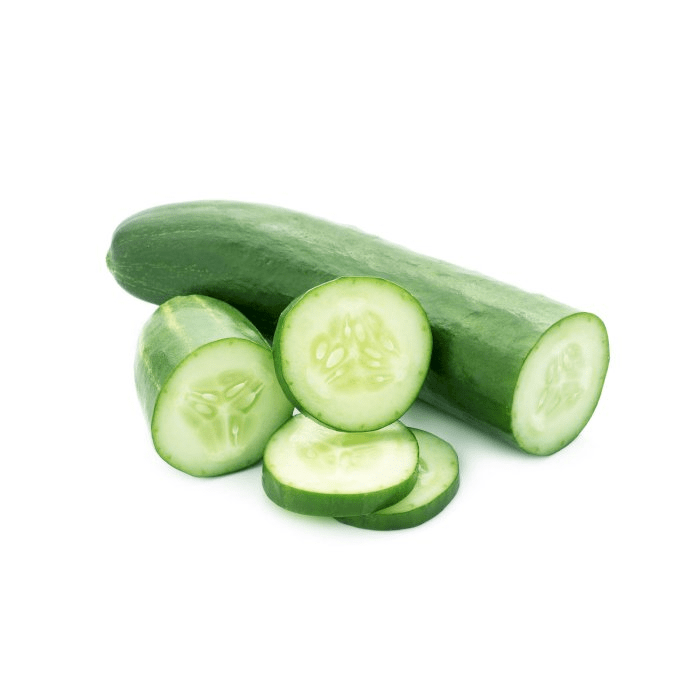
Cucumber, that green cylinder-shaped fruit. It’s made up of about 96% water. Not only is it good to eat but has numerous benefits for the skin. You may go to the spa and have it placed on top of your eyes. Cucumber is commonly used in products like toners, masks and lotions. It’s also important to note that it has benefits for all skin types.
Here are some of its key benefits:
1. Fights acne
Cucumber is good for acne prone skin because it contains vitamins C and E. For oily acne prone skin which is caused by a build up of oil and other impurities in the pores. Cucumber is a natural mild astringent which helps reduce oil production and shrink pores.
2. Hydrates the skin
Due to its high water content, cucumber is good for adding hydration to dry skin. It also creates an invisible barrier on the skin to attract and retain moisture. For example, after cleansing then using a toner with cucumber in it will make the most of the moisturizing products which follow.
3. Soothes irritation
Its cooling and anti-inflammatory properties are good for pain and redness that may come from something like a rash.
4. Reduces puffiness
Studies have shown that cucumbers reduce swelling and puffiness of the skin.
5. Brightens skin
They are rich in antioxidants and contain vitamin C which can remove dark spots and other blemishes.
6. Lessens dark circles
The high water content within cucumbers hydrates delicate under-eye skin and the presence of vitamin K reduces discoloration under the eyes.
7. Treats sunburn
Due to the cooling effect of cucumber and its anti-inflammatory properties. Applying a cucumber paste to your irritated sunburnt skin will relieve pain and discomfort.
All these benefits combined will result in glowy skin. It can be used in various forms like sliced, as a paste, only the juice or combined with other ingredients. There is also the option of using frozen/chilled cucumber which will enhance the cooling effect on your skin if you’ve been experiencing any irritation.
Cucumber can also be referred to as Cucumis sativus. It makes a good ingredient to be used for different skin types due to its many benefits for the skin, so look out for it in your next store bought product’s ingredient list.
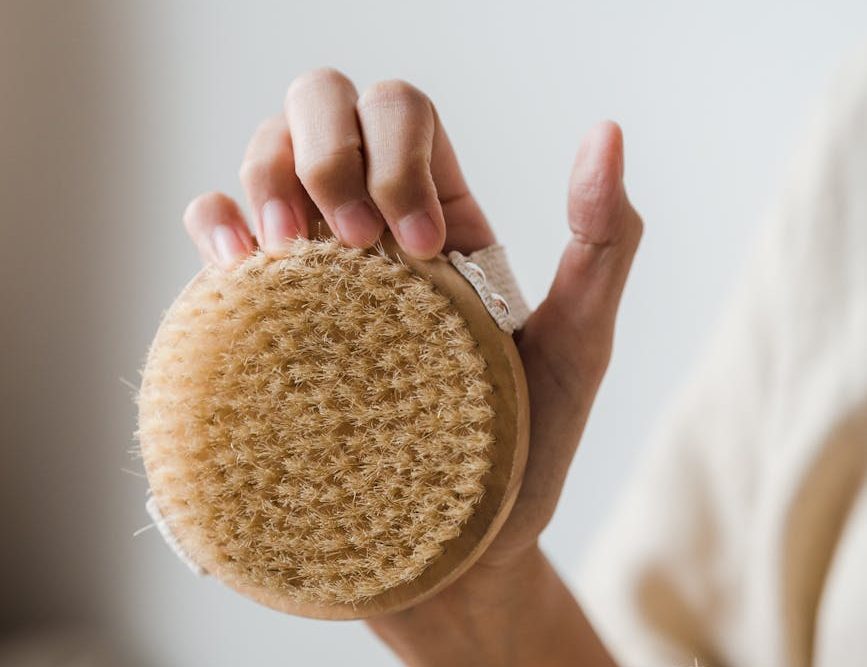
Exfoliating is the act of removing dead skin cells from the surface layer of the skin, often with the use of a substance. There are two types of exfoliation, physical and chemical. Physical exfoliation can be done with a grainy substance, product or tool such as a scrub or brush while chemical exfoliation involves the usage of enzymes and acids.
How often should I exfoliate?
It’s recommended by experts that you should exfoliate your skin at least twice a week. The frequency however can vary depending on things like skin type or the method of exfoliation, for example, chemical, sensitivity etc.
Health benefits of exfoliating
The are numerous positive health benefits resulting from exfoliating such as:
Evens out skin tone.
Unclog pores. Getting rid of blackheads and whiteheads allows pores to look smaller.
Prevents acne.
Boosts circulation and lymphatic drainage. This gives the skin a glow and promotes internal cleansing respectively.
Boosts collagen production. Long-term exfoliation reduces wrinkles and fine lines, giving the skin a more youthful look.
Helps other skin care products to penetrate the skin. You might be wondering why you aren’t noticing any progress from a product you’ve used before or has great reviews, this could be due to a build up of dead skin.
Prevents ingrown hairs. Ingrown hairs happen when the hair follicle gets clogged by dead skin cells and debris.
How to exfoliate
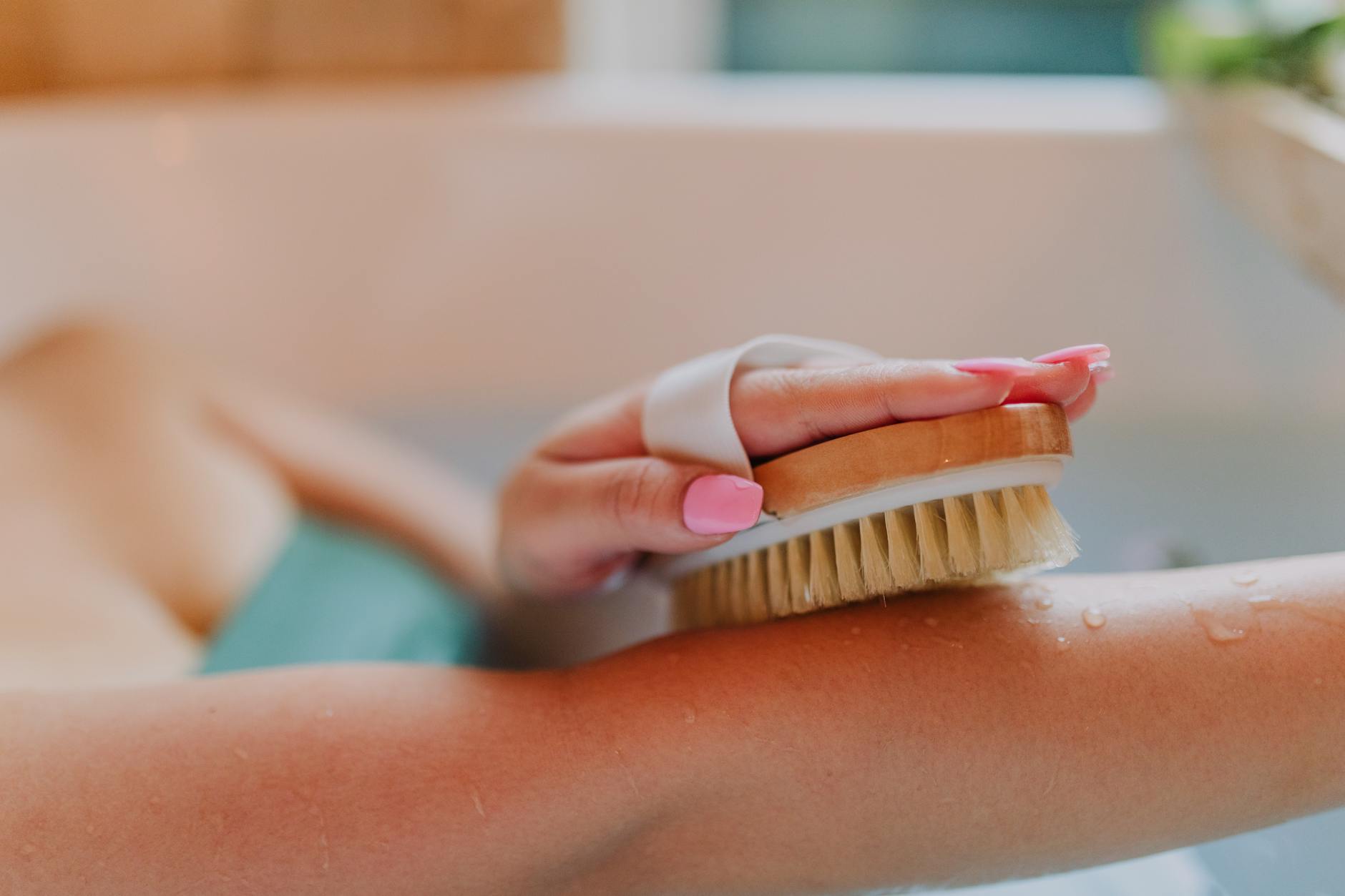
You can physically exfoliate at home starting with a warm shower or bath. This warmth will open up your pores and help the body release natural oils. It’s best to exfoliate in the morning as the skin repairs itself at night leaving a fresh layer of dead skin to be removed.
Whether taking a shower or bath allow the skin to be in contact with the water for 5-10 minutes before beginning the process. You can use a scrub, brush, washcloth, loofah, or exfoliating gloves during the process. Circular motions for 20-30 seconds work for each area. After rubbing your skin, wash it off with warm water.
Also, remember that the skin on your face and neck is more delicate than the rest of your body so be gentle.
For chemical exfoliation, please follow the instructions given on the product. You can also try a patch test on a small area of skin. For chemical peels, leaving the product on for longer than recommended can do more damage than good. For more on chemical exfoliation, click here.
Takeaway
Exfoliation is possible for everyone with plenty of DIY recipes and affordable tools out there to aid in the process. However, consult a professional beforehand if you have an underlying skin condition to see which method of exfoliation suits you best.
Exfoliation is an essential part of any skincare routine. All in all, not only will it result in more youthful, radiant skin but also has positive health benefits. Stay safe and indulge in your self-care.